
Arabescato Corchia White Marble Slabs: Timeless Elegance from Italy
Discover the Timeless Beauty of Arabescato Corchia Marble Slabs
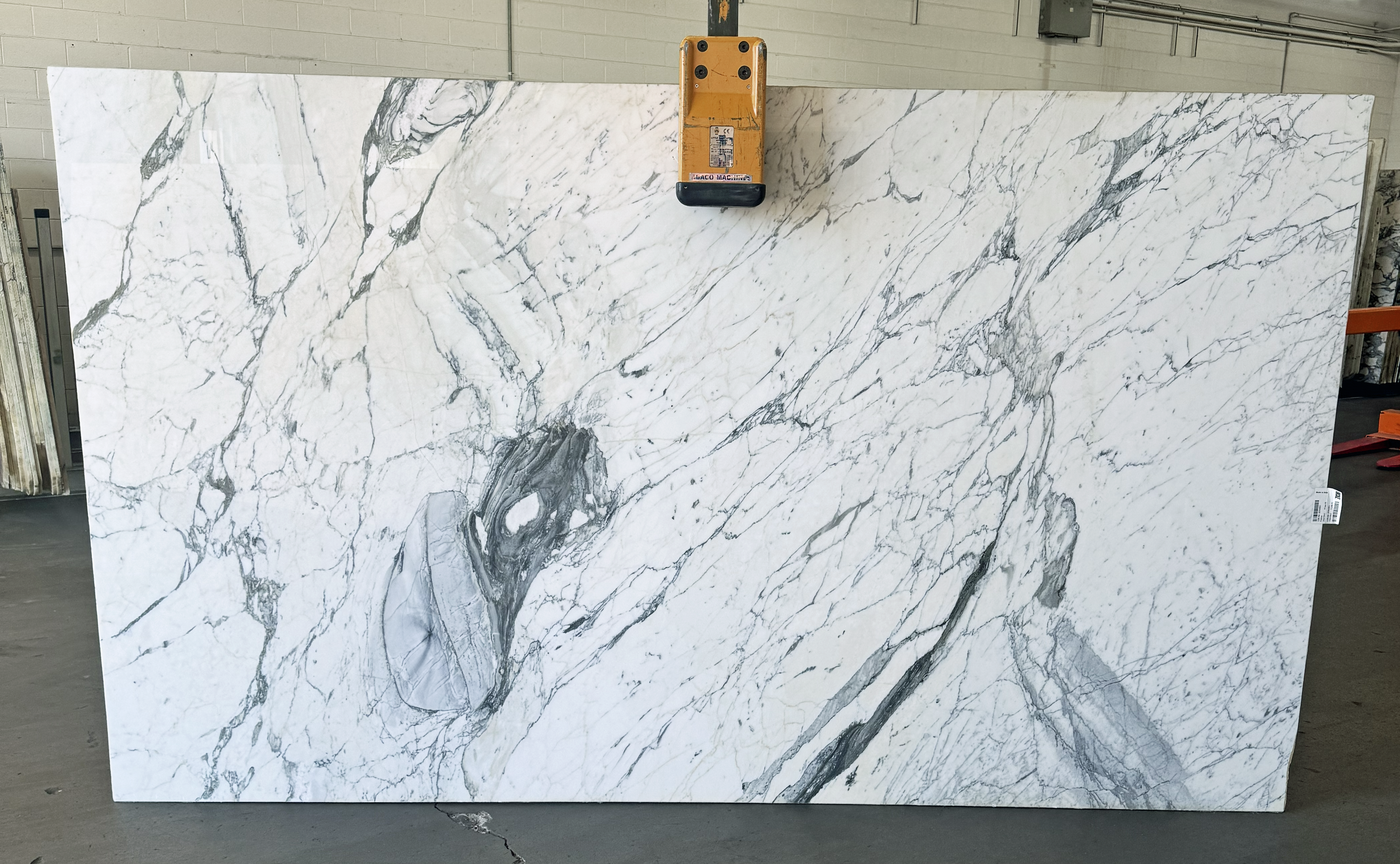
Arabescato Corchia marble slabs bring exquisite elegance and sophistication to any space. Designers, architects, and homeowners love this natural stone for its luxurious appeal. Experts source it from historic quarries in Tuscany, Italy. The stone features a bright white background with bold gray veining. This combination creates a versatile look that fits both classic and modern designs. Use these slabs for luxury kitchens, bathrooms, or grand entryways. They deliver lasting beauty and style.This guide explores Arabescato Corchia marble slabs in detail. We cover origins, features, uses, installation, care, and more. As experts in premium stones, we provide reliable information to help you choose wisely.
Origins and Formation of Arabescato Corchia Marble
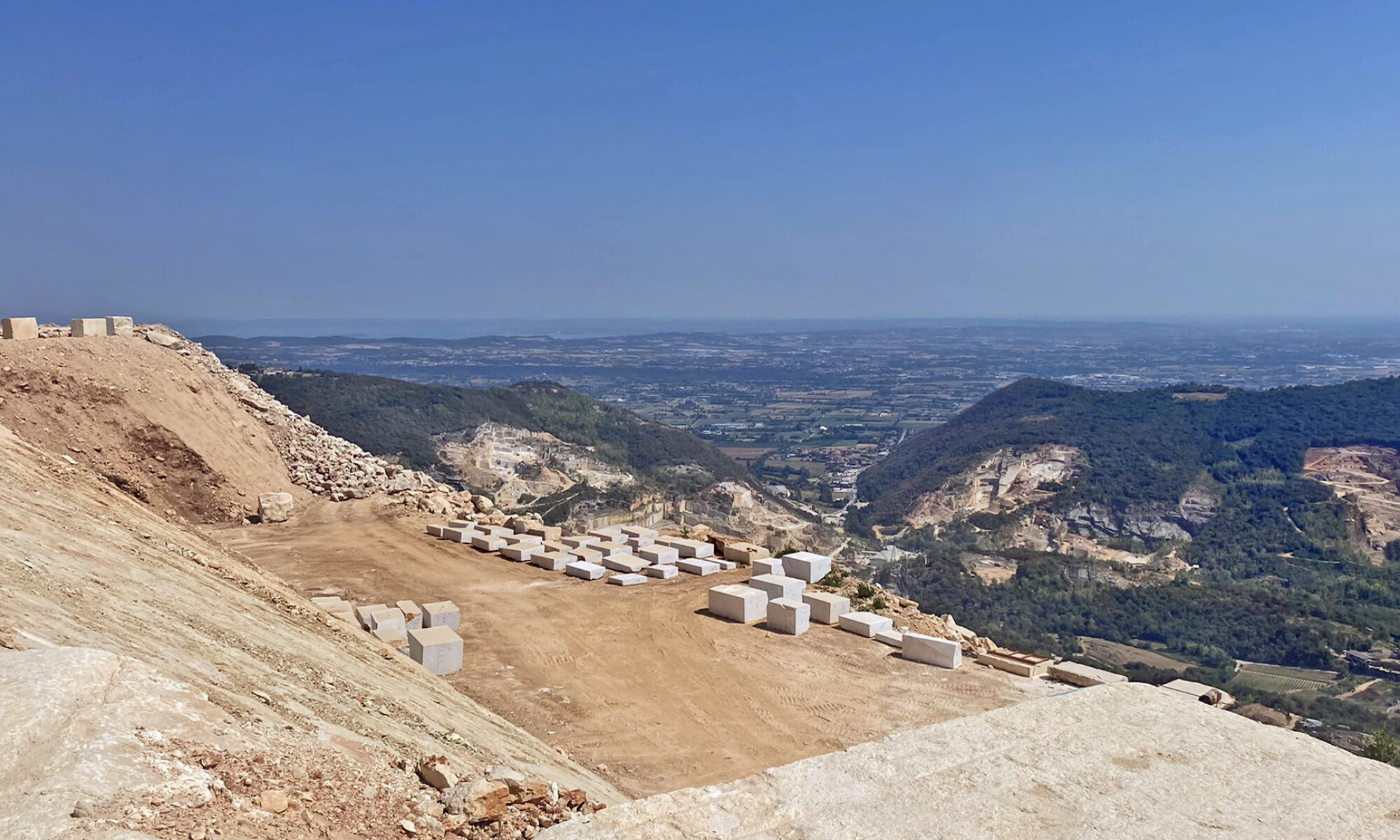
Arabescato Corchia marble comes from the Apuan Alps in Tuscany. Miners extract it near Carrara, a famous marble region since Roman times. The stone formed millions of years ago during the Mesozoic era. Marine sediments rich in calcium carbonate transformed under heat and pressure. This process created a strong crystalline structure. Natural fractures and recementation produced the unique brecciated look. The marble shows flowing gray veins on a white base. This pattern sets it apart from other varieties. Quarries use modern tools and traditional skills. They follow strict rules to protect the environment. Many slabs carry origin certificates for authenticity.
Key Characteristics and Properties
Arabescato Corchia marble slabs stand out with their white field and dramatic gray to black veins. Some pieces include subtle cream or gold tones. Each slab varies naturally, so no two look exactly alike. The stone offers good compressive strength. It resists pressure well in daily use. Its density provides a solid feel. The material polishes to a high shine that highlights the veins. Choose polished for gloss or honed for a matte finish. Honed versions work great on floors to prevent slips. The marble handles heat from underfloor systems. It stays stable in different climates. Compared to other whites, this marble shows bolder veining. It delivers more visual drama than subtler options.

Popular Applications for Arabescato Corchia Marble
Designers use Arabescato Corchia marble slabs in many ways. In kitchens, they create stunning countertops. The sealed surface handles daily tasks with ease. Bathrooms gain a spa feel with vanity tops or shower walls. The veining adds serenity and luxury. For floors, large slabs reduce grout lines. This creates a clean, expansive look. Commercial spaces benefit too. Hotels and offices feature them on walls, desks, and elevators. Bookmatch adjoining slabs for dramatic patterns. This technique shines on islands or backsplashes. The stone suits interior projects best. For exteriors, use it in covered areas only.
Installation Best Practices
Professionals install Arabescato Corchia marble slabs carefully. They check the base first. It must stay level, stable, and dry.Use stone-specific thin-set mortar. Apply it with back-buttering for strong bonds. Handle large slabs with equipment to avoid damage. Minimize seams and fill them with matching epoxy. In wet zones, add waterproofing and proper slopes. Seal the stone right after installation. Hire experienced installers who know Italian marbles. They prevent common issues like uneven surfaces
Daily Care and Long-Term Maintenance
Clean Arabescato Corchia marble slabs easily. Use a soft cloth and mild soap in warm water daily. Avoid acidic cleaners like vinegar. They etch the surface. Blot spills quickly instead of rubbing. Reapply penetrating sealer every 6-12 months. Test with water drops—if they bead, the seal works. Place coasters under drinks and pads under furniture. This prevents scratches. For light etching, use polishing powder. Call experts for major repairs. With good care, the stone develops a beautiful patina over time.
How It Compares to Other Marbles
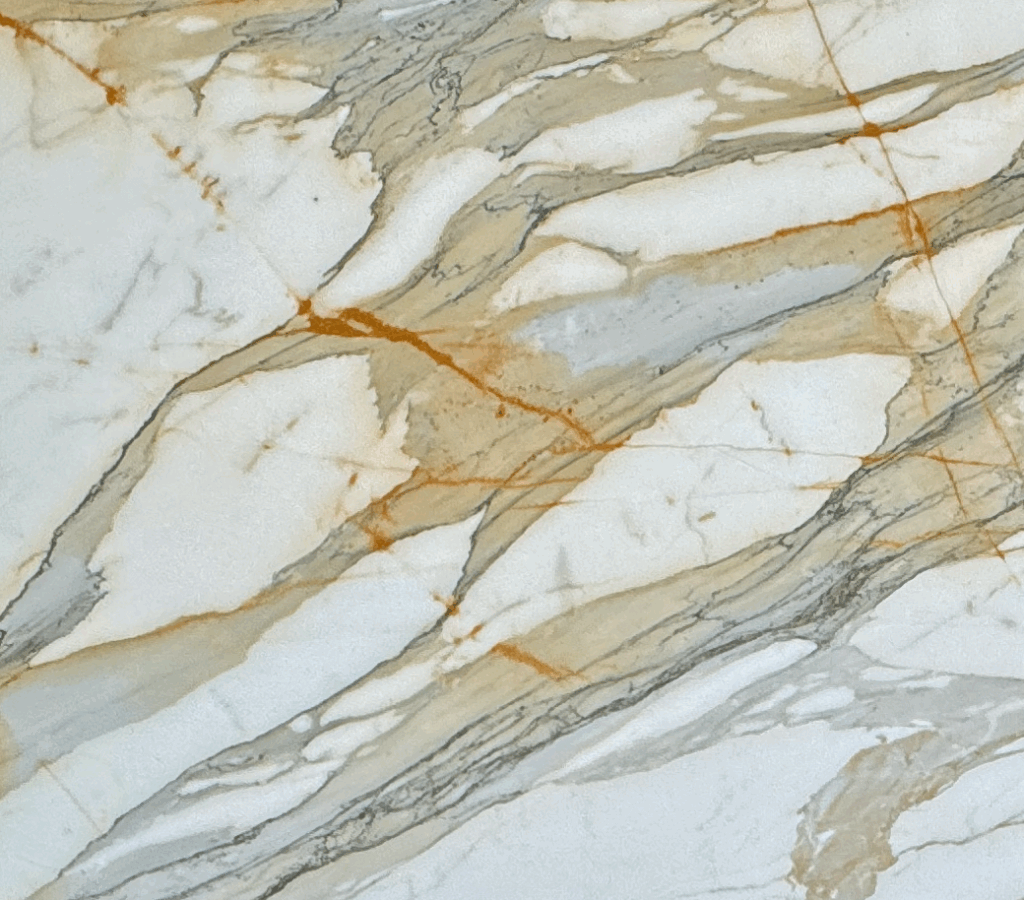
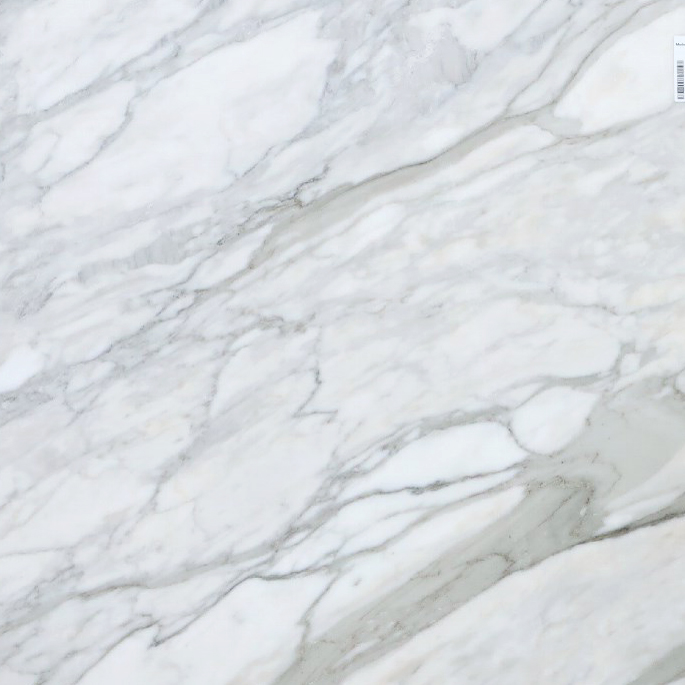
Arabescato Corchia marble offers bold veining. Carrara shows subtler, grayer patterns. Calacatta features dramatic gold and gray veins but costs more. Statuario provides crisp white with refined, heavy veining. This marble balances beauty and value. It costs less than top Calacatta yet looks luxurious. Its Italian origin ensures quality and consistency. Choose it for strong visual impact without the highest price.
Sustainability and Ethical Practices
Tuscan quarries focus on responsible extraction. They use precise cuts to reduce waste. Many recycle processing water. The industry follows fair labor rules and safety standards. Certified suppliers provide traceability. This marble supports green building goals. It aligns with sustainable design principles