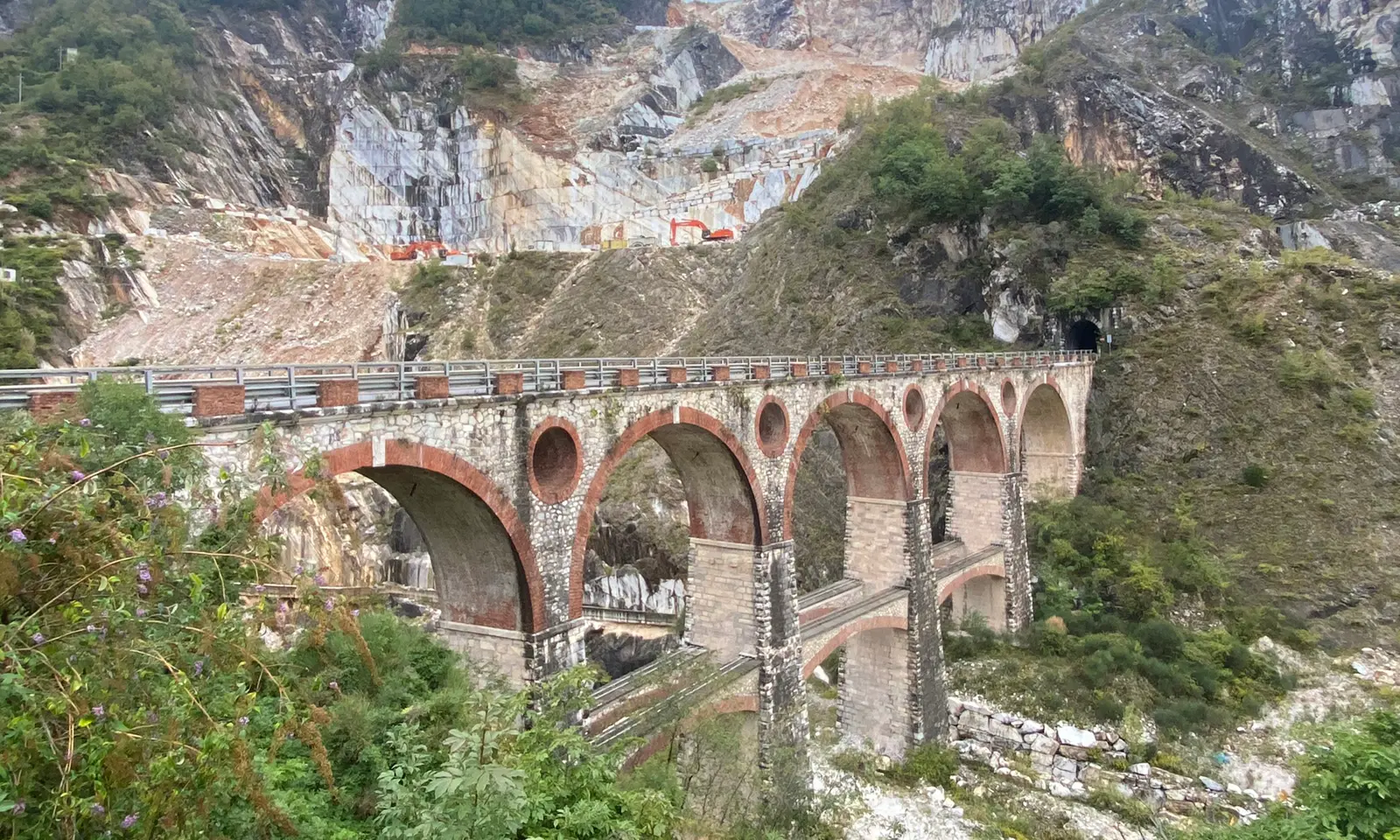

Explore our collection of premium natural limestone slabs at The World of Stone in Los Angeles. Sourced from established quarries and producers around the world, our selection includes distinctive limestones for luxury residential, hospitality, and architectural applications. Slabs are available for viewing by appointment at our Van Nuys warehouse, with nationwide shipping throughout the 48 contiguous United States.

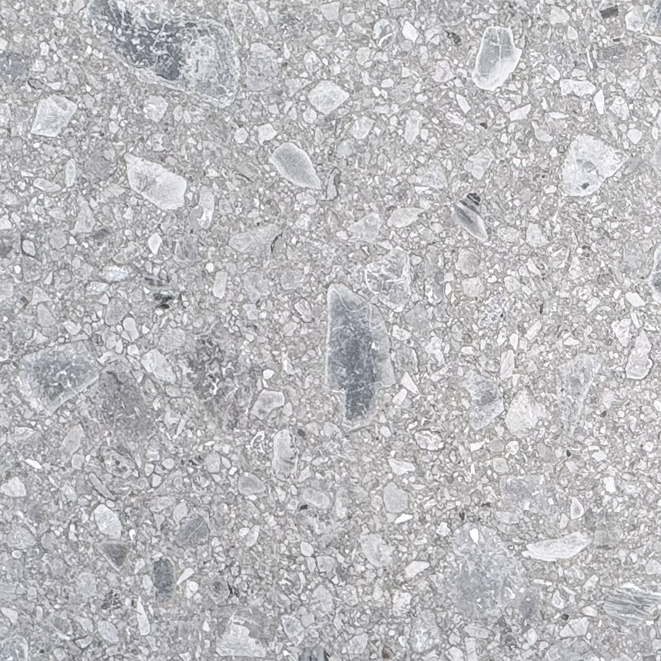
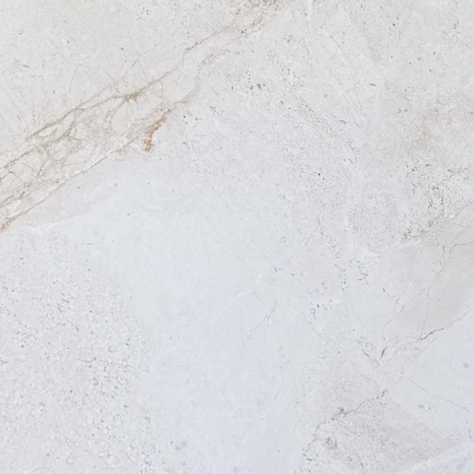

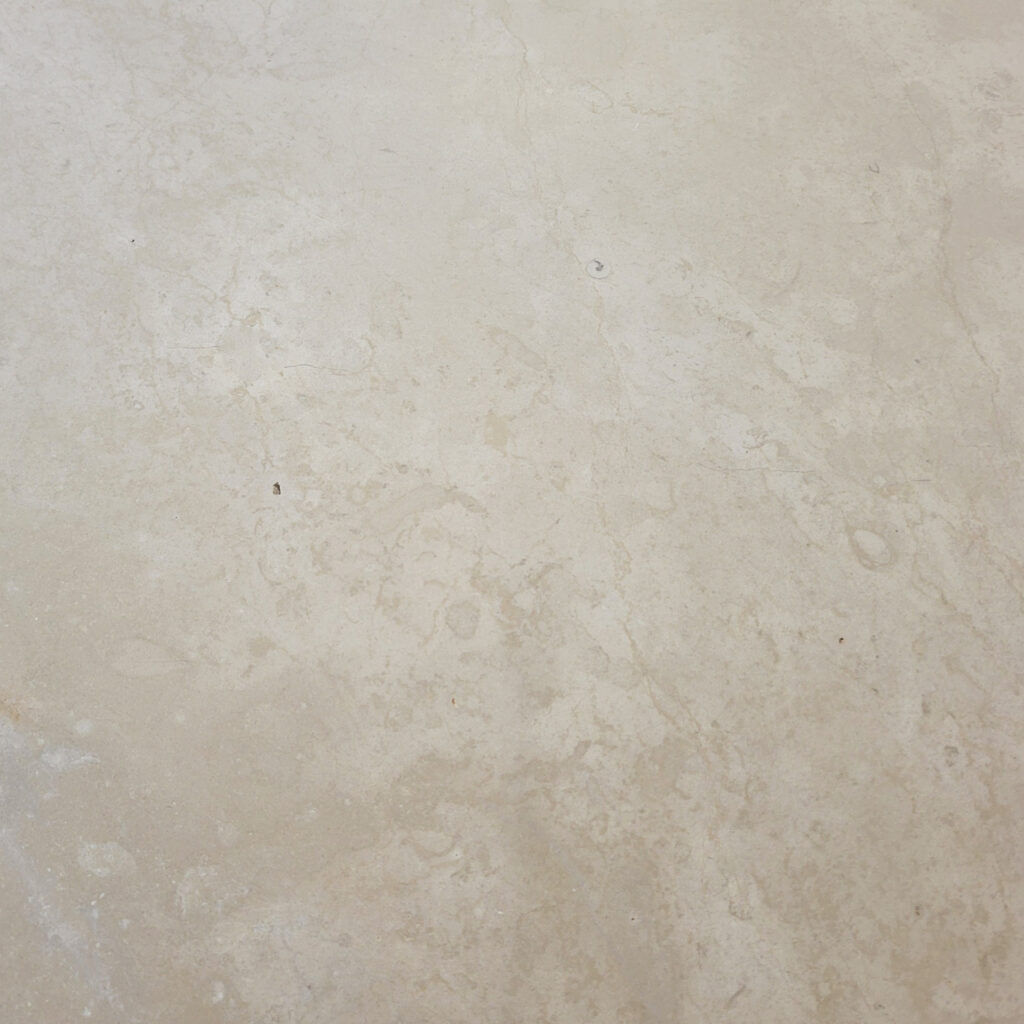
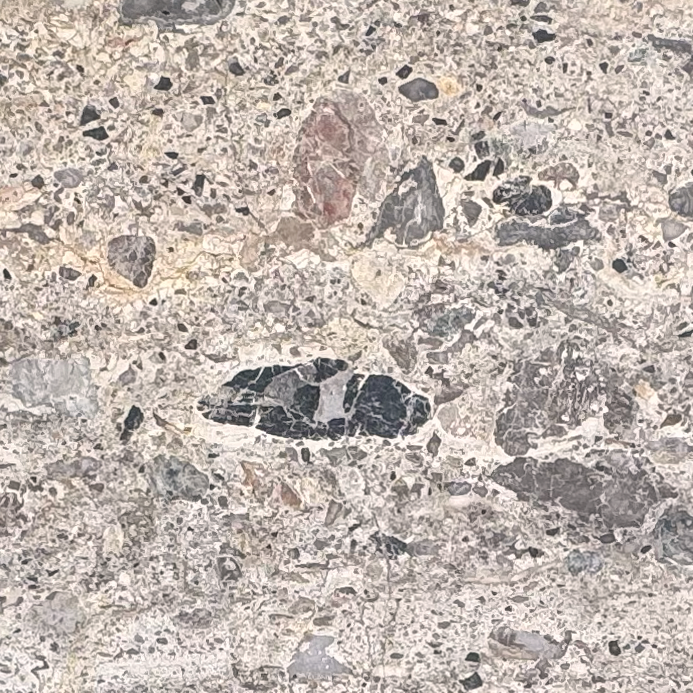
Limestone Technical Characteristics, Testing, and Maintenance
Limestone is a natural sedimentary stone composed primarily of calcium carbonate. Its physical properties can vary considerably depending on the geological formation, mineral composition, density, porosity, and natural structure of the material.
These variations are important when selecting limestone for architectural applications. Two limestones with similar colors and appearances may perform very differently under the same conditions.
Physical Properties and ASTM Testing – Limestone
ASTM International publishes standardized test methods used to evaluate the physical properties of natural dimension stone. For limestone, these tests can provide valuable information when determining whether a particular material is appropriate for a proposed installation.
Commonly referenced tests include:
- ASTM C97 – Absorption and Bulk Specific Gravity: Measures water absorption and bulk specific gravity, providing information relevant to the stone’s physical characteristics and potential moisture sensitivity.
- ASTM C99 – Modulus of Rupture: Evaluates the stone’s flexural strength under specified test conditions.
- ASTM C170 – Compressive Strength: Measures the stone’s resistance to compressive loading.
- ASTM C241 – Abrasion Resistance: Evaluates abrasion resistance using a standardized test method for stone subjected to foot traffic.
- ASTM C1353 – Abrasion Resistance Using the Taber Abraser: Provides another standardized method for evaluating abrasion resistance.
- ASTM C568 – Standard Specification for Limestone Dimension Stone: Establishes classification and physical property requirements for limestone used as dimension stone.
Not every test is necessary for every application. The relevant requirements depend on the proposed use, installation method, environmental exposure, and applicable project specifications.
Slip resistance should be evaluated separately from abrasion resistance. Classifications such as R10 are associated with specific slip-resistance testing systems and should not be confused with ASTM C241 abrasion test results.
Testing data should also be understood in context. Results obtained from a particular sample, quarry, or production lot do not necessarily establish the performance of every shipment of material sold under the same commercial name.
Limestone Selection for Interior and Exterior Applications
Limestone is used for flooring, wall cladding, architectural features, fireplaces, stair components, and custom fabricated elements. Certain limestones may also be suitable for exterior paving, façades, and other exposed installations.
However, suitability should never be determined by appearance or stone classification alone.
For flooring and paving, considerations include abrasion resistance, slip resistance, anticipated traffic, surface finish, and maintenance requirements.
For exterior applications, additional considerations may include moisture absorption, drainage, freeze-thaw exposure, anchoring systems, thermal movement, and the specific environmental conditions of the project.
Wall cladding and mechanically anchored stone assemblies require appropriate engineering and evaluation of the stone’s physical properties, panel dimensions, anchorage, and supporting structure.
The selection of limestone should be based on the characteristics of the specific material and the demands of the intended installation.
Selecting the Right Limestone for Your Project
Limestone can be an excellent choice for both interior and exterior applications, but not every limestone is suitable for every environment. Physical properties, exposure conditions, installation methods, and project requirements should all be considered before specifying a material.
For a real-world example of why these distinctions matter, read our article, When the Wrong Stone Is Specified.
Limestone Porosity, Sealing, and Maintenance
Limestone is generally more susceptible to moisture absorption and acid-related surface damage than many silicate-based natural stones. However, absorption rates and overall performance vary significantly among different limestones.
A penetrating sealer may help reduce the absorption of water and certain staining substances, but sealing does not make limestone stainproof, waterproof, or resistant to acid etching.
Acidic substances such as lemon juice, vinegar, wine, and some cleaning products can react with the calcium carbonate in limestone, potentially dulling or altering the surface finish.
Routine maintenance should include appropriate cleaning products, prompt attention to spills, and procedures suited to the particular stone and application.
Sealing requirements vary according to the limestone’s porosity, finish, application, and exposure. A properly selected penetrating sealer may reduce moisture and stain absorption, but it will not prevent acid etching or eliminate routine maintenance.
Rather than relying on a universal resealing schedule, follow the sealer manufacturer’s technical recommendations and evaluate the material’s performance periodically.
For demanding applications, consultation with qualified stone installation professionals and the technical departments of established setting-material and sealer manufacturers is recommended.
Understanding the Limitations of Natural Stone Testing
Published technical data is valuable, but it should not be interpreted as a guarantee of performance in every installation.
Natural stone is inherently variable. Differences in bedding, veining, mineral composition, fissures, and quarry location can influence the properties of individual slabs or production lots.
ASTM test results should be reviewed alongside the proposed application, fabrication details, installation system, maintenance expectations, and applicable building requirements.
At The World of Stone, we believe informed material selection begins with understanding both the advantages and the limitations of natural stone. Our goal is to help architects, designers, fabricators, and clients select limestone that is appropriate for the intended project—not simply attractive in a photograph.
For additional guidance on natural stone selection, performance, and architectural applications, visit our Stone Resources section.
Limestone Slabs in Los Angeles – Premium Selection and Nationwide Shipping
The World of Stone imports and distributes carefully selected natural limestone slabs for luxury residential, hospitality, and architectural projects. Based in the Los Angeles area, we offer distinctive limestones sourced from established quarries and producers around the world.
Our limestone collection includes materials suited to a wide range of architectural applications, from interior flooring and wall cladding to custom stone elements and exterior installations where the specific material and project conditions permit.
We work with architects, interior designers, fabricators, and homeowners to evaluate limestone selection, natural variation, finishes, technical characteristics, and fabrication requirements. For projects requiring additional material, we can assist with international sourcing and block selection.
View limestone slabs at The World of Stone by appointment. Our Van Nuys warehouse serves Los Angeles and Southern California, and we coordinate nationwide slab shipping throughout the 48 contiguous United States.
Contact us to discuss current availability, samples, technical information, or your project’s specific requirements.