Our warehouse is open by appointment only.
16009 Arminta St. Unit B, Van Nuys, CA 91406

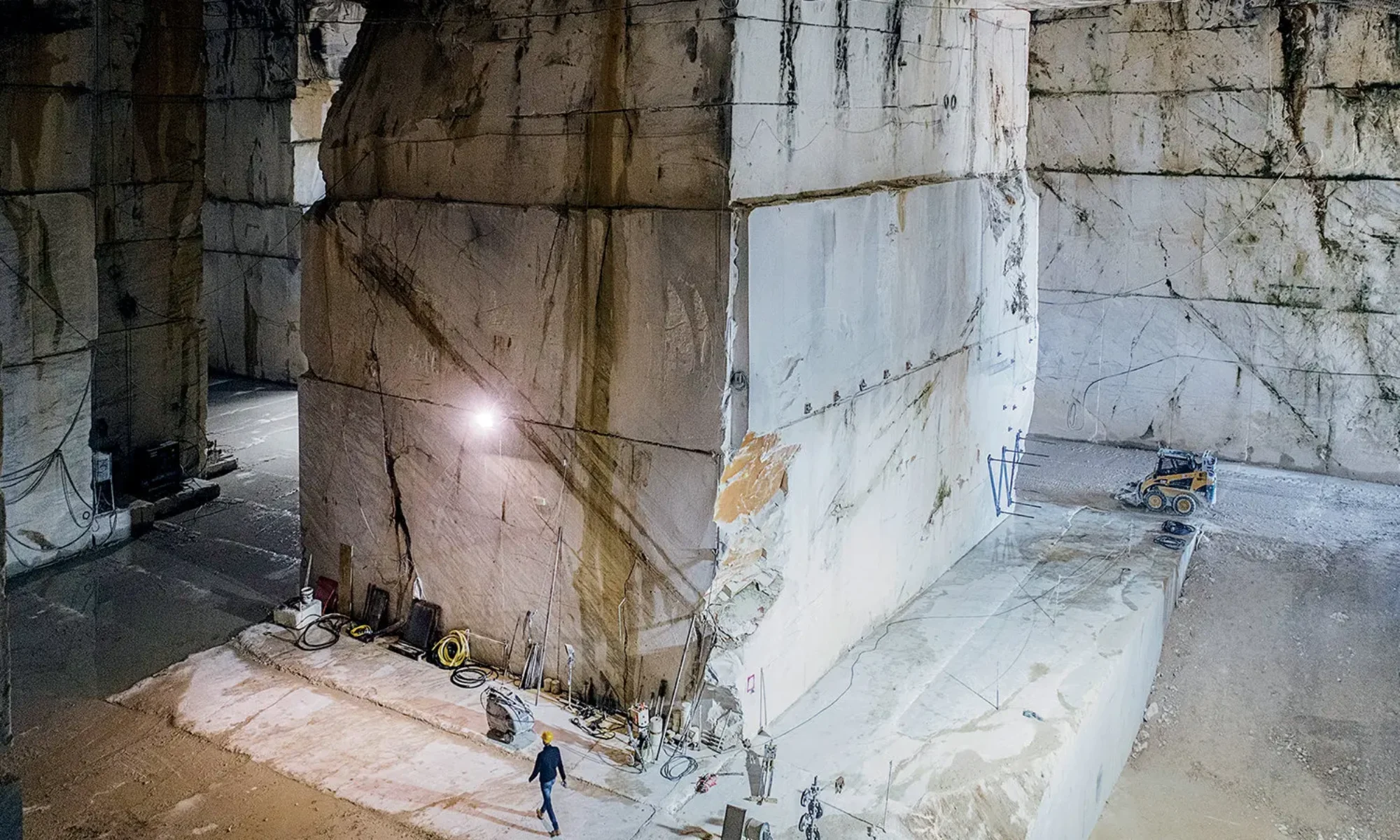

Importer of Natural Stone – Los Angeles, CA
Our warehouse is open by appointment only.
16009 Arminta St. Unit B, Van Nuys, CA 91406
The World of Stone, located in Van Nuys, California, is a premier destination for those seeking high-quality natural stone products for luxury residential projects. Established with a vision to blend nature’s beauty with modern design, we have grown to become a trusted name in the stone business.
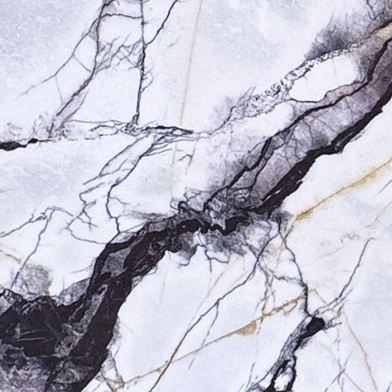
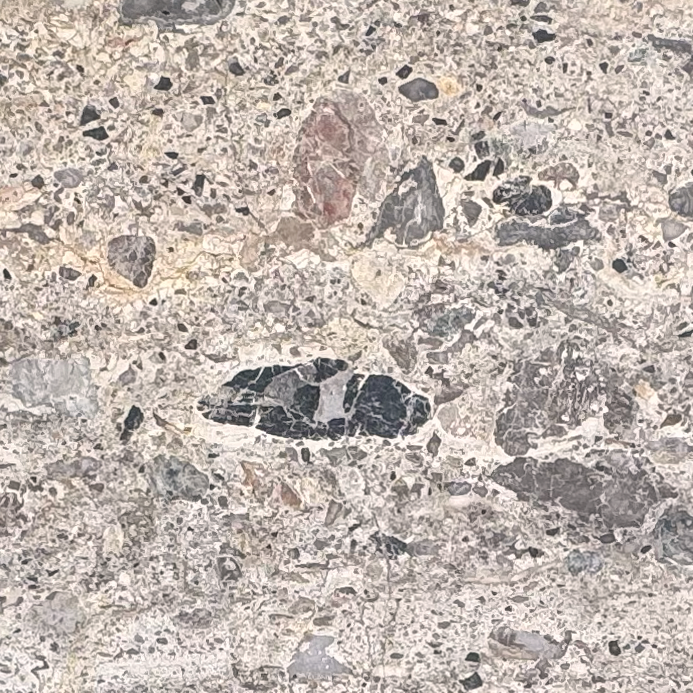
At the heart of The World of Stone is an extensive selection of natural stones sourced from quarries around the world. Our offerings include marble, granite, travertine, limestone, quartzite, and onyx, among others. Each piece is selected for its unique patterns, colors, and durability, ensuring that clients have access to the finest materials for their projects. Whether it’s for countertops, flooring, wall cladding, or outdoor landscaping, The World of Stone caters to a wide array of design needs.

Riley is an expert in stone and proper stone applications as well as maintenance (ideally preventative) methods and techniques. With over 30 years in the stone business there’s little he hasn’t seen. We work closely with architects, designers, and homeowners to realize custom designs that fit each project’s aesthetic and functional requirements. Offering comprehensive services from material selection to installation referrals, providing guidance on everything from stone care to the latest trends in stone applications.
The showroom in Los Angeles is not just a store but an experience, designed to inspire. Visitors can see, touch, and feel the textures and colors of various stones, helping them visualize how these natural elements can transform spaces. With a reputation for excellence, The World of Stone continues to be a go-to source for those looking to incorporate the timeless beauty of stone into their environments.

Sustainability is a core principle at The World of Stone. They are committed to environmentally responsible sourcing and practices, ensuring that their operations do not just meet but exceed industry standards for sustainability. This includes careful selection of suppliers who adhere to ethical mining practices and the promotion of stones that require minimal maintenance, thereby reducing environmental impact over time.


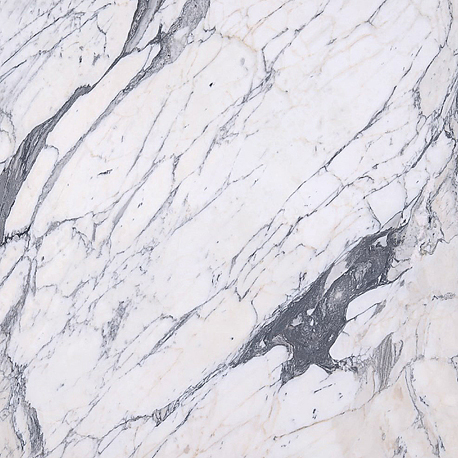
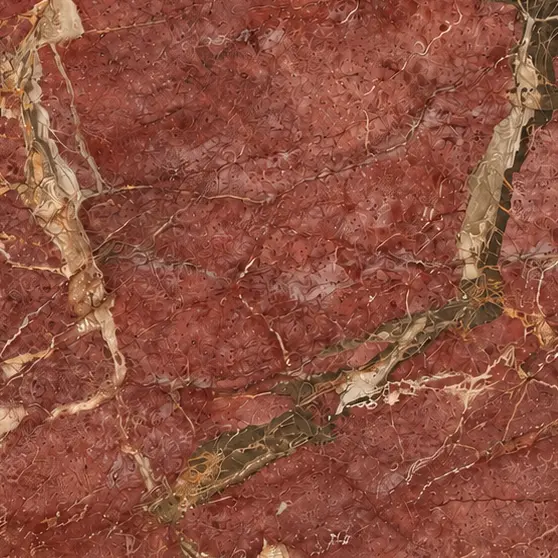
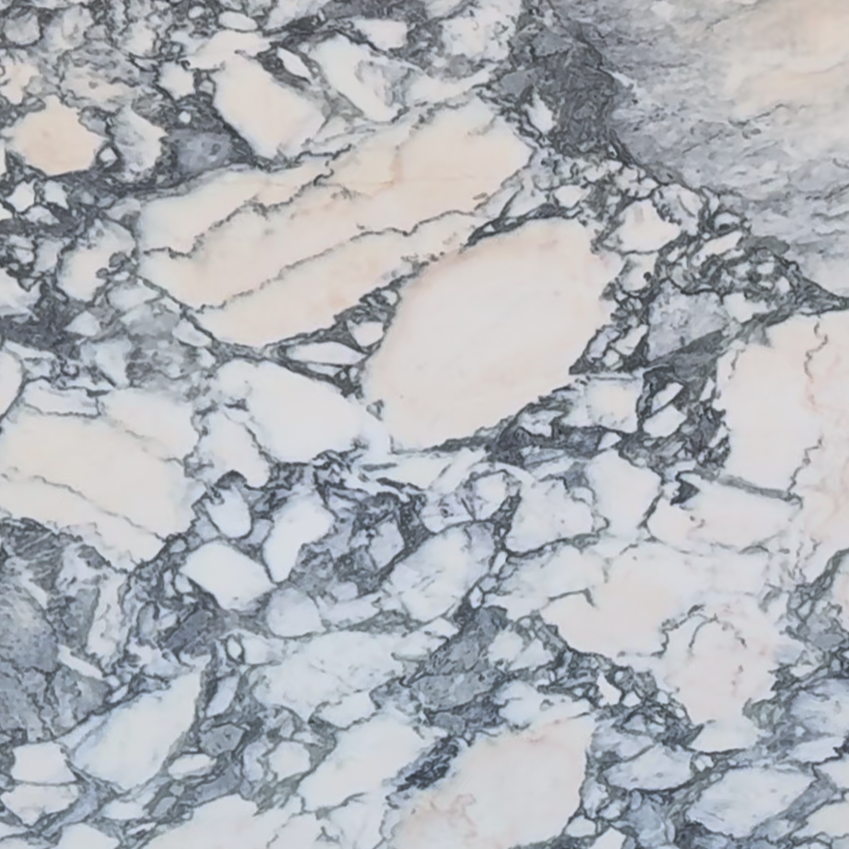
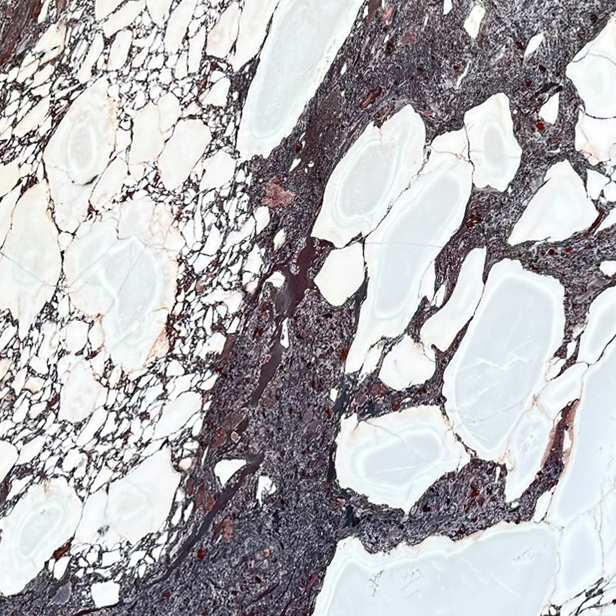
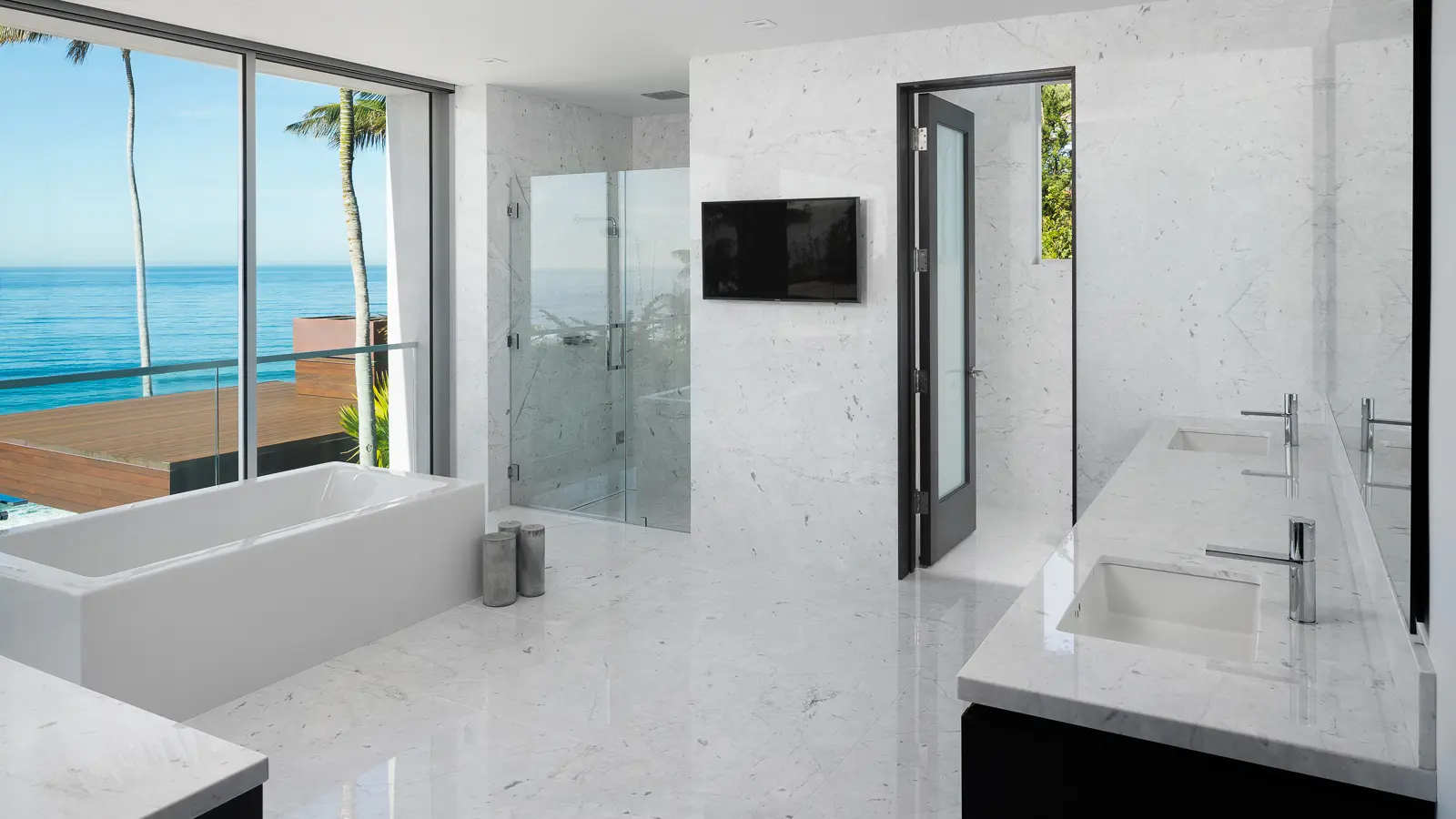
Discover premium white marble slabs in stock in Los Angeles at The World of Stone, your trusted natural stone supplier in Van Nuys. Explore an exquisite selection of pure white varieties like Thassos Extra and Nestos White from Greece, featuring bright, clean backgrounds with subtle veining for timeless elegance. Perfect for kitchen countertops, bathroom vanities, flooring, and luxury accents, these high-quality white marble slabs are readily available for immediate selection and quick delivery across the greater Los Angeles area. Visit our showroom today to experience the sophistication of these imported stones and elevate your residential or commercial project with enduring beauty and craftsmanship.

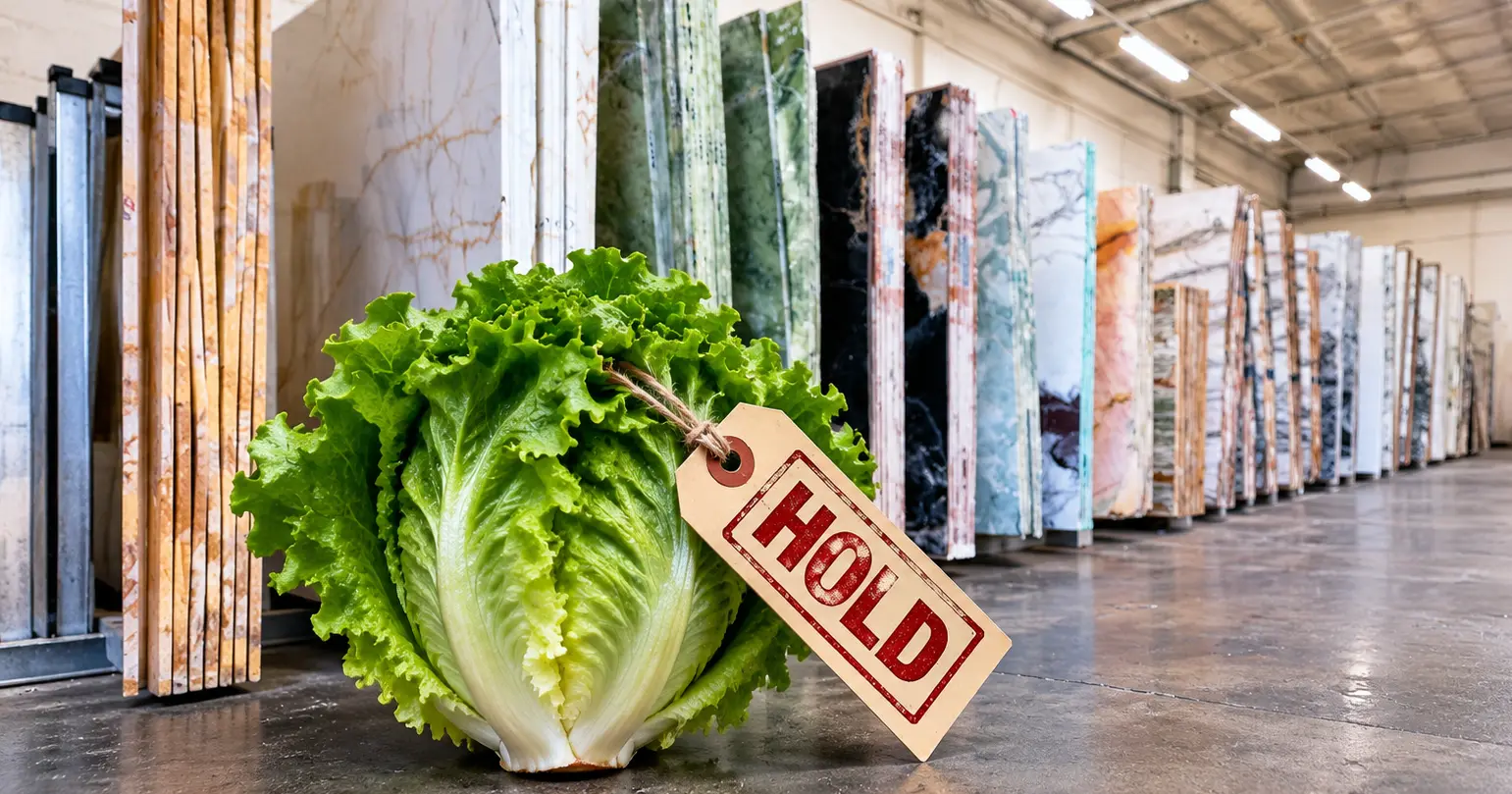
The peculiar rules of buying and reserving natural stone.
After 35 years in the natural stone business, I’ve learned that the words “sold” and “hold” can have remarkably different meanings depending on which side of the sales counter you’re standing.
To me, the distinction is fairly simple.
If you’ve paid for specific slabs, they’re yours.
If you’ve asked me to hold them while you make up your mind, they’re still mine.
Apparently, this is not universally understood.
And I’ve encountered some rather entertaining examples from both sides of the counter.
Let’s start with the suppliers, because they don’t always get this right either.
Years ago, a designer purchased several slabs from us. They were paid for, marked SOLD, and removed from our available inventory.
Sometime later, a very wealthy customer walked into the yard, saw those slabs, and decided he wanted them.
I explained that they were already sold.
He insisted.
I explained again.
He insisted again.
Finally, he said the three words that apparently resolve every commercial disagreement:
“Name your price.”
So I thought about it.
The designer who had purchased those slabs was an excellent customer. She did more than $100,000 a year in business with us.
If I sold her material to someone else, I would almost certainly lose that relationship.
I estimated it would take approximately three years to replace that business.
So I gave him my price.
“$350,000.”
He looked at me as though I’d lost my mind.
I explained the calculation. Three years of lost business, plus a little something for the inconvenience.
He didn’t buy the slabs.
I’ve told that story many times over the years, always with one additional observation.
Had he actually agreed to pay $350,000, I would have called the designer immediately.
“I have good news and bad news.
The bad news is that I’ve sold your slabs to someone else.
The good news is that I have a check for $100,000 for you.”
I suspect we could have worked something out.
Fortunately, nobody called my bluff, and the slabs went exactly where they belonged.
There is a serious point behind that story.
When a customer purchases specific slabs, those slabs belong to that customer. They’re marked SOLD, removed from available inventory, and held for the purchaser according to the terms of the sale.
It shouldn’t matter whether someone else offers more money, has a more urgent project, or happens to be particularly persuasive.
A supplier has made a commitment, and that commitment should be honored.
Unfortunately, there have been instances in our industry where customers have purchased material only to discover later that it was sold to someone else.
That’s unacceptable.
Once a supplier accepts payment for specific material, the customer should be able to depend on that material being there when needed.
A purchase is a purchase.
Which brings us to the other side of this rather peculiar arrangement.
There is a curious practice in the natural stone business known as putting material “on hold.”
For those unfamiliar with the concept, it generally involves a customer selecting a material, expressing considerable enthusiasm for it, and then asking the supplier not to sell it to anyone else while they decide whether they actually want it.
Sometimes this takes a day. Sometimes a week. Occasionally, I suspect, the decision is being passed down to future generations.
We work with designers, architects, contractors, and homeowners every day. We understand that decisions take time, particularly when several people need to approve a selection.
We’re happy to accommodate that process whenever possible.
But a hold is a courtesy, not a purchase.
At The World of Stone, our understanding of a hold is straightforward.
If another customer expresses serious interest in purchasing the same material, we’ll contact the person who requested the hold and give them an opportunity to buy it.
At that point, a decision needs to be made.
Not another week to think about it. Not an emergency meeting to discuss the subtle differences between two shades of beige.
An opportunity to purchase the material.
I’ve never quite understood why someone believes they should be able to reserve thousands of dollars of another person’s inventory indefinitely without making a financial commitment.
I’ve often explained it this way:
Imagine walking into a supermarket, finding a particularly attractive head of lettuce, and informing the produce manager that you’re considering making a salad.
You haven’t decided what kind of salad. First, you need to consult your spouse, your nutritionist, and your personal trainer.
But you’d like the produce manager to remove that particular head of lettuce from sale until everyone has weighed in.
Naturally, you’d prefer not to pay for it in the meantime.
I suspect the produce manager would have a few questions.
And yet, in the natural stone business, this is a perfectly ordinary Tuesday.
Several years ago, a designer asked me to hold some material for a project.
A week later, I sent her an email asking whether she was still interested.
No response.
Another week passed. I sent a second email, this time explaining that I could no longer hold the material without hearing from her.
Still nothing.
Eventually, the material was sold to another customer. I closed the sales order and moved on.
Six months later, the designer came in to purchase the stone.
Unfortunately, it was gone.
She was furious.
Apparently, we had very different understandings of the arrangement.
I thought a hold was a temporary courtesy. She apparently believed it was a permanent reservation requiring no deposit, no communication, and no particular intention of purchasing anything within the foreseeable future.
I’d sent two emails. She’d answered neither. The second email specifically warned that I could no longer hold the material without a response.
But somehow, I was the one who had failed to honor the arrangement.
Six months.
I’ve seen shorter construction projects.
I suppose I should have kept the material on hold until her grandchildren were ready to remodel.
There is something about stone inventory that seems to create the impression that holding it costs nothing.
After all, the slabs are just sitting there.
But consider what it took to get them there.
Someone purchased the blocks, paid to have them processed, arranged transportation, shipped them across an ocean, paid customs duties, tariffs (don’t get me started—we’ll get to those another day), unloaded them, and placed them in a warehouse that also costs money to operate.
By the time a customer walks into a stone yard, the supplier has already made a substantial financial commitment.
And unlike a bank, we don’t earn interest on the money sitting in the warehouse.
We earn money by selling stone.
When a supplier agrees to hold material indefinitely, they’re essentially being asked to finance someone else’s indecision.
It’s a remarkably generous arrangement, particularly when nobody remembers agreeing to it.
The point of all this isn’t that suppliers shouldn’t accommodate their customers.
Quite the opposite.
Relationships are important in this business. We’ve held materials for clients, worked around construction delays, accommodated complicated approval processes, and made exceptions when circumstances warranted them.
Good business relationships depend on cooperation.
But cooperation requires a little consideration from both sides.
If you ask someone to hold material, respond when they contact you. If you need more time, say so. If you’ve decided against it, let them know.
We won’t take it personally.
And if a particular stone is essential to your project, purchase it.
If you buy it from The World of Stone, it will be there when you need it.
That’s the surest way to make certain the material is available for your project.
The distinction is simple.
A purchase is a commitment. A hold is a courtesy.
We understand that decisions take time.
We just can’t guarantee that everyone else’s decisions will wait for yours.
So by all means, ask us to hold the stone. We’re happy to help.
Just remember, you can’t put a head of lettuce on hold at the grocery store.
And ours is considerably more expensive than lettuce.
The World of Stone | Los Angeles
35 years in the natural stone business. Apparently, still learning about holds.
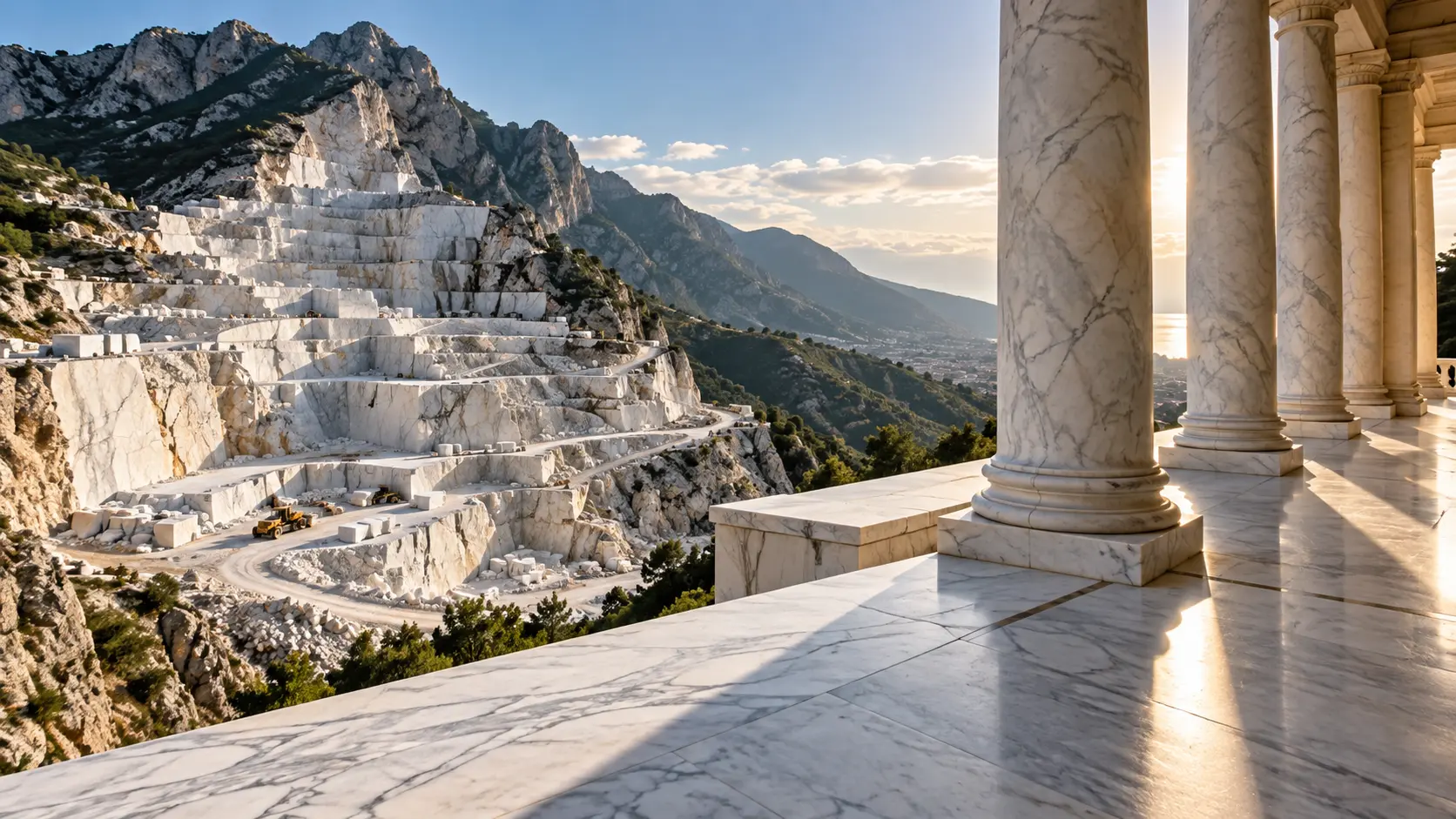
How the natural stone industry is advancing environmental responsibility, transparency, and green building standards.
Long before sustainability became a priority in architecture and construction, natural stone was already demonstrating many of the qualities we now associate with environmentally responsible building materials.
It is durable, recyclable, long-lasting, and requires comparatively little transformation from its natural state to become a finished architectural product.
Some of the world’s oldest structures are made of stone. Thousands of years later, many remain standing, offering a compelling demonstration of what durability means in the built environment.
But sustainability today requires more than durability and a natural origin. Architects, designers, and building owners increasingly expect measurable environmental performance, responsible sourcing, and independent documentation.
The natural stone industry has recognized this shift, and the Natural Stone Institute (NSI) has been working to ensure that stone remains relevant as green building standards continue to evolve.
Unlike many manufactured building materials, natural stone does not require combining multiple ingredients or creating an entirely new substance through industrial manufacturing.
The material already exists.
Quarrying, cutting, transporting, and finishing stone certainly require energy and resources. However, the fundamental material is created through natural geological processes.
There is no need to manufacture the stone itself.
That distinction is an important part of natural stone’s environmental story.
Its longevity is equally significant. A properly selected and installed stone floor, façade, or architectural feature can remain in service for generations, potentially avoiding the environmental costs associated with repeated replacement.
Sustainability should not be measured only by the resources required to produce a material. It should also consider how long that material remains useful.
The Natural Stone Institute has played an important role in moving the industry’s sustainability efforts beyond general environmental claims and toward measurable standards.
Working with industry organizations, researchers, quarry operators, and manufacturers, NSI has helped develop resources that allow architects and designers to evaluate natural stone using recognized environmental criteria.
Among the most important developments is the Natural Stone Sustainability Standard, known as ANSI/NSI 373 — Sustainable Production of Natural Dimension Stone.
Originally published in 2014 and subsequently updated, including a revision in 2022, the standard provides a framework for evaluating responsible stone production.
It addresses areas such as energy consumption, water management, environmental impacts, quarry operations, and social responsibility.
Importantly, the standard allows qualifying quarrying and processing operations to pursue independent third-party certification.
This provides designers with something increasingly important in sustainable construction: documentation supporting responsible material sourcing.
LEED, or Leadership in Energy and Environmental Design, is one of the world’s most recognized green building rating systems.
Developed by the U.S. Green Building Council, LEED evaluates buildings using environmental and performance criteria that include energy, water, materials, indoor environmental quality, and other sustainability considerations.
Natural stone can contribute to several of these objectives, depending on the product, its documentation, and how it is used.
The Natural Stone Institute has developed guidance to help design professionals understand how natural stone relates to LEED requirements.
These opportunities include responsible material sourcing, environmental product declarations, material transparency, building reuse, and embodied carbon considerations.
With the introduction of LEED v5, greater attention is being directed toward embodied carbon, material disclosure, and responsible sourcing.
The stone industry’s ongoing development of environmental documentation is particularly relevant to these evolving requirements.
Natural stone does not automatically earn LEED credits simply because it is natural. However, properly documented and responsibly sourced stone can contribute to a project’s overall sustainability objectives.
One of the most meaningful developments in recent years has been the industry’s increasing use of life-cycle assessments and Environmental Product Declarations, commonly called EPDs.
An EPD provides independently verified information about a product’s environmental impacts over defined stages of its life cycle.
Rather than relying on broad claims that a product is environmentally friendly, EPDs allow architects and specifiers to examine measurable information, including global warming potential and resource consumption.
The Natural Stone Institute has assembled environmental resources for natural stone countertops, flooring, and cladding, along with life-cycle assessments and product-specific declarations.
This is an important step forward.
It allows natural stone to participate in the same evidence-based environmental discussions as other architectural materials.
And it gives design professionals more of the information they need to make informed decisions.
Sustainability does not begin when a slab arrives at a fabrication facility.
It begins at the quarry.
Modern quarry operations increasingly incorporate practices intended to improve resource efficiency, manage water consumption, reduce waste, and plan for the eventual rehabilitation of extraction sites.
Water recycling is particularly important in stone processing, where substantial quantities of water are used for cutting and finishing.
Closed-loop systems can collect, filter, and reuse process water, reducing the need for continuous freshwater consumption.
Stone offcuts and processing remnants can also be repurposed for smaller architectural elements, landscaping, aggregates, and other applications.
These practices vary among producers and regions, which is precisely why transparent standards and independent verification matter.
The industry’s responsibility is not simply to promote stone as a natural product, but to continually improve how that product is extracted, processed, and delivered.
A material that lasts for generations offers an environmental advantage that is sometimes overlooked.
Natural stone can be refinished, repaired, reused, and repurposed.
A worn marble floor may be restored rather than replaced. Stone removed during a renovation may find a second life as paving, cladding, or landscape material.
Historic buildings around the world demonstrate that natural stone can remain functional and beautiful for centuries.
Of course, proper material selection is essential. Not every stone is suitable for every climate, exposure, or application.
But when stone is correctly specified and installed, its service life can be extraordinary.
That longevity deserves serious consideration when evaluating the environmental impact of a building over its lifetime.
The conversation surrounding sustainable building materials has changed considerably over the past decade.
Today, environmental claims are increasingly expected to be supported by data, recognized standards, and independent verification.
The natural stone industry is responding.
Through the work of the Natural Stone Institute and participating producers, architects now have access to more detailed environmental information, responsible sourcing standards, and guidance for incorporating natural stone into sustainable building projects.
The work is ongoing, and there is always room for improvement.
But it is encouraging to see an industry built around one of humanity’s oldest building materials actively participating in the future of sustainable construction.
Natural stone does not need to be reinvented to become relevant to sustainable architecture.
Its fundamental advantages have existed for millions of years.
What continues to evolve is our understanding of how to extract, process, transport, specify, and use it more responsibly.
And perhaps that is the most compelling part of the story.
Nature created the material. Our responsibility is to use it wisely.
The World of Stone | Los Angeles
More than 35 years of experience sourcing natural stone for residential, hospitality, and architectural projects.
There are no stupid questions. Only expensive assumptions.
After 35 years in the natural stone business, I’ve learned that selecting the right material involves considerably more than finding something beautiful.
Natural stone offers an extraordinary range of colors, textures, and geological characteristics. But every stone has its own physical properties, and those properties matter.
A material that performs beautifully as an interior feature wall may require an entirely different approach when used on an exterior façade. A polished marble that looks magnificent in a residential bathroom may need additional consideration before being specified for a heavily trafficked commercial floor.
The stone itself isn’t necessarily the problem.
The application may be.
And sometimes the difference between a successful installation and a very expensive mistake comes down to asking a question that seems almost too obvious to ask.
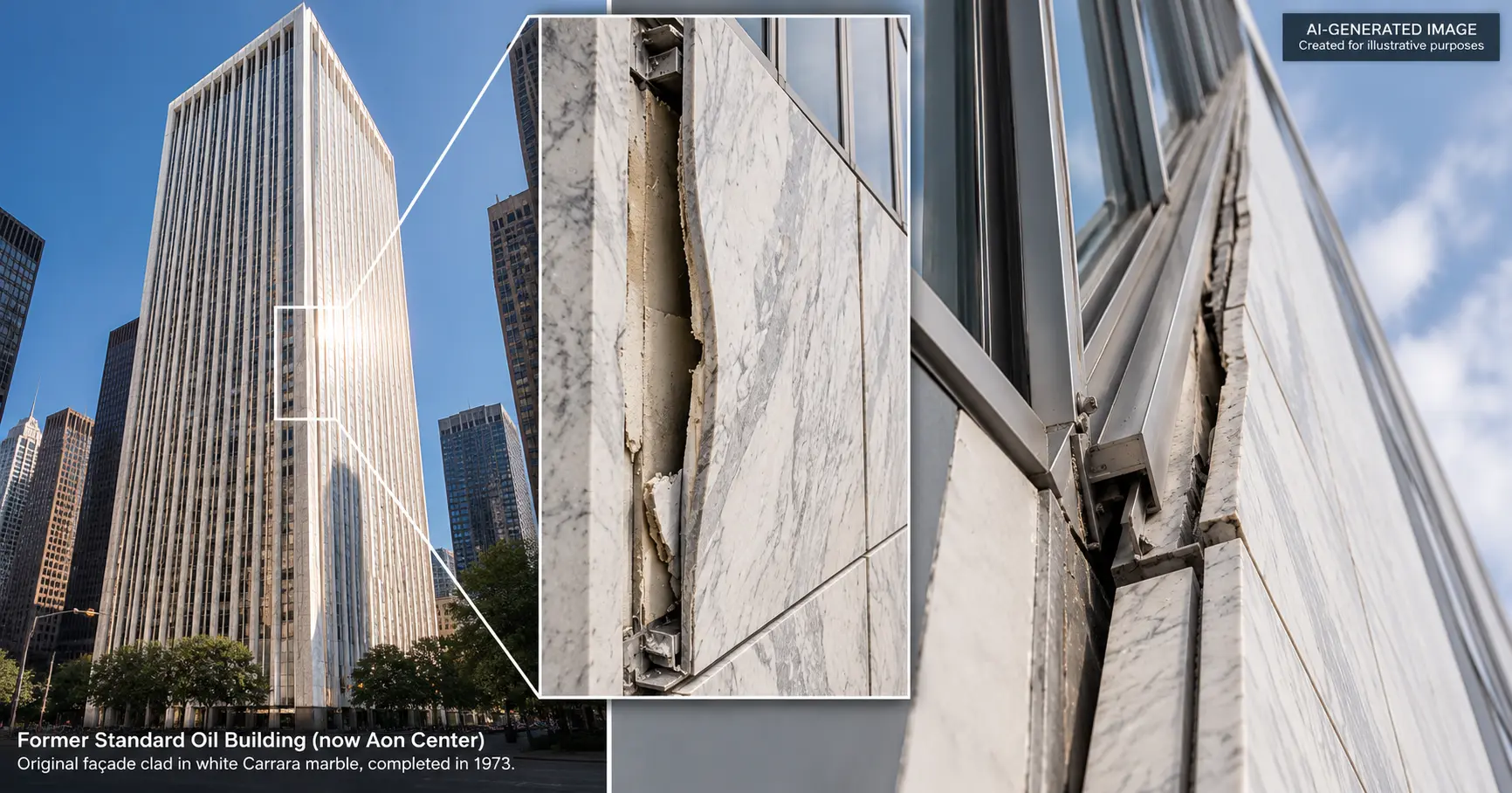
One of the most instructive examples of improper stone specification is the former Standard Oil Building in Chicago, now known as the Aon Center.
Completed in 1973, the 83-story building was originally clad in approximately 44,000 panels of beautiful white Italian Carrara marble.
The panels were approximately 1¼ inches thick.
If you’ve ever visited Chicago in winter, you may have noticed it can get a bit chilly.
I once visited Chicago with friends in late October. It was remarkably cold, even by Chicago standards.
A local suggested I should have brought my winter clothes.
I was wearing a flannel shirt.
“I’m from Los Angeles,” I told him. “These are my winter clothes.”
Chicago’s weather is no joke, particularly when you’re selecting materials for an 83-story building.
The marble façade was exposed to significant temperature fluctuations, intense summer sun, freezing winters, and high winds.
Over time, the panels began to bow and crack. The repeated heating and cooling produced a phenomenon known as thermal hysteresis.
In simplified terms, repeated temperature changes can cause permanent deformation in certain marbles as their mineral crystals expand and contract differently. The panels gradually bowed and lost strength.
Eventually, the entire façade had to be replaced with thicker granite panels from North Carolina.
The cost was approximately $80 million.
But here’s the important distinction.
The problem wasn’t simply that Carrara marble had been selected. The approximately 1¼-inch-thick panels were particularly vulnerable to the thermal stresses of that installation.
Thicker panels would have provided greater resistance to deformation and may have significantly extended the façade’s service life. However, thickness alone is not a guarantee. The marble’s mineral structure, exposure conditions, anchoring system, and long-term performance all require consideration.
The lesson isn’t that marble cannot be used on exterior buildings.
It’s that the material, thickness, installation system, and environment must be considered together.
And that brings me to one of the first questions I ask when discussing a new project.
When someone contacts me about supplying stone for an exterior application, one of my first questions is remarkably simple.
“Where is the project?”
It may seem obvious. After all, we’re based in Los Angeles, and many of our customers are local.
But I never assume the project is in Southern California.
It could be in Chicago, New York, Las Vegas, Nashville, or somewhere with an entirely different climate.
And that matters.
A limestone that performs well in a relatively mild climate may require additional evaluation before being specified for a building exposed to severe freeze-thaw conditions.
A stone used for exterior paving in Southern California may face entirely different challenges when installed in a region with freezing temperatures, snow, and deicing salts.
Even within the same region, exposure can vary considerably.
Is the material going on a shaded wall or a sun-exposed façade? Will it be installed horizontally or vertically? Is it near saltwater? Will it be subjected to heavy pedestrian traffic?
These aren’t minor details.
They influence material selection, thickness, finish, anchoring, installation methods, and long-term performance.
The same stone may be perfectly appropriate for one application and require an entirely different approach for another.
That’s why I ask where the project is.
And then I usually ask several more questions.
Some of them may seem stupid.
I’ve learned to ask them anyway.
Every natural stone has characteristics that influence where and how it should be used.
Marble, limestone, granite, quartzite, travertine, slate, and onyx are not interchangeable simply because they can all be cut into slabs or tiles.
Their physical properties can differ considerably.
Among the characteristics worth evaluating are:
Finish selection also matters.
A polished stone may be appropriate for a wall but unsuitable for a wet walking surface. A textured finish may improve traction, but it can also affect maintenance and appearance.
These decisions should be made with an understanding of the material’s properties, the installation conditions, and the applicable performance requirements.
Not simply because a particular photograph looked beautiful.
One assumption I particularly dislike is that a stone simply cannot be used in a particular application.
In reality, there are relatively few situations where the answer is an automatic no.
More often, the question is what the client is willing to accept in terms of maintenance, appearance, performance, and cost.
Consider a gray limestone specified for an exterior wall exposed to direct sunlight.
Depending on the particular limestone, prolonged UV exposure and weathering may change its appearance or cause the color to fade.
Does that mean the stone cannot be used?
Not necessarily.
It means the client should understand what may happen and what maintenance might be required to preserve the desired appearance.
If a suitable, tested UV-protective treatment is available for that particular stone, periodic reapplication may be part of the maintenance program. The frequency should be based on the product manufacturer’s recommendations and actual exposure conditions.
Some clients will decide that the maintenance isn’t worth the trouble.
Others will love the material enough to accept it.
And some may actually prefer the appearance of stone as it naturally weathers.
My job is to explain the consequences, not make the aesthetic decision for them.
Of course, there are exceptions.
One application I would strongly advise against is unfilled travertine exposed to severe freeze-thaw conditions.
Its open voids can collect water. When that water freezes, expansion can damage the stone. Surface sealing alone cannot reliably eliminate that risk.
In that situation, I’d recommend choosing a more appropriate material rather than promising a maintenance solution that may not work.
There’s an important difference between a stone that requires additional care and one that presents an unacceptable performance risk.
The objective isn’t to tell clients what they cannot have.
It’s to help them understand what they’re choosing.
Not every expensive mistake involves a skyscraper.
Sometimes it involves something as simple as the direction of a vein.
Years ago, we were supplying vein-cut travertine panels for a feature wall.
The panels were to be cut 18 inches by 36 inches.
With vein-cut travertine, the orientation of the natural veining is an important part of the finished appearance.
In this case, the conventional assumption would have been to run the veins parallel to the longer, 36-inch dimension.
That’s what most people would expect.
But before proceeding, I asked what seemed like a rather stupid question.
“I assume you want the veins running along the 36-inch length?”
The answer was no.
The design called for the veins to run along the shorter, 18-inch dimension.
The designer was glad I’d asked.
When the wall was eventually installed, the orientation made perfect sense. It was an intentional part of the overall design.
But imagine what would have happened if we’d simply assumed the conventional orientation was correct.
Every panel could have been cut with the veining running in the wrong direction.
The dimensions would have been correct. The material would have been correct. The quantities would have been correct.
And the entire installation would have been wrong.
All because of one question nobody thought needed asking.
My dad and granddad spent a lifetime reminding me of an old saying:
“Measure twice, cut once.”
It’s good advice, and not just for carpenters.
I’ve spent 35 years in the natural stone business, and some of the most valuable lessons I’ve learned came from watching other people make mistakes.
That doesn’t mean I haven’t made a few of my own. I’ve stepped in it more than once.
In one case, I asked the right question but failed to insist on an answer. As it turned out, asking the question wasn’t enough.
At another company where I worked, I overheard a conversation about a material order. Something didn’t sound right, so I interrupted with what I thought was a reasonable question.
My boss dismissed it as a stupid question.
I didn’t argue.
When the material arrived incorrectly, I just shook my head.
The question hadn’t been stupid after all.
Both experiences reinforced something I’ve believed for years: it’s better to ask a question that seems unnecessary than to discover afterward that nobody asked it. And once you’ve asked, make sure you get an answer.
My dad and granddad had it right. Measure twice, cut once.
Over the years, I’ve developed my own version:
“You can’t uncut the stone.”
Once a slab has been fabricated incorrectly, there’s no putting it back together and starting over. You can replace it, of course, but that involves additional material, labor, expense, and time.
A question that takes ten seconds to ask can prevent a mistake that takes weeks to correct. But only if someone answers it.
There is a tendency in any experienced profession to assume that certain things are understood.
After enough years in the business, you develop a sense of what is customary.
But customary doesn’t necessarily mean correct.
A designer may have a particular visual effect in mind that isn’t obvious from a cutting schedule.
An architect may be specifying material for a climate the supplier hasn’t considered.
A fabricator may interpret a drawing differently from the person who created it.
And a homeowner may have expectations about maintenance or durability that have never been discussed.
None of these situations necessarily involves incompetence.
They involve assumptions.
And assumptions have a remarkable ability to become expensive once the material has been cut.
It’s considerably easier to clarify a detail before fabrication than to explain afterward why several thousand square feet of stone don’t look the way someone expected.
Good stone selection involves more than the supplier presenting attractive slabs and the designer choosing a favorite.
It requires communication between the designer, architect, supplier, fabricator, installer, and sometimes the engineer.
Each brings a different perspective.
The designer understands the visual objective.
The architect understands the building and its intended use.
The engineer evaluates structural requirements.
The fabricator understands how the material will be cut and assembled.
And an experienced stone supplier should understand the material itself, its characteristics, and where it is likely to perform successfully.
No single participant necessarily has every answer.
That’s why questions matter.
Sometimes the most useful contribution a supplier can make isn’t recommending a more expensive stone.
It’s explaining what will be required to use the material the client actually wants.
Or asking whether the project is in Los Angeles or Chicago.
Or confirming which direction the veins are supposed to run.
Natural stone is an extraordinary building material.
Properly selected, fabricated, installed, and maintained, it can provide decades or even centuries of service.
But choosing the right stone isn’t always about finding the material with the highest strength or the lowest absorption.
Sometimes it’s about understanding what a client wants and explaining what will be required to achieve it.
I don’t believe in automatically telling someone they can’t use a particular stone simply because it isn’t the conventional choice.
I believe in asking questions, explaining the risks, and helping them make an informed decision.
Some of the most valuable lessons I’ve learned came from watching other people make mistakes. A few came from making my own.
I’ve learned to ask questions, even the ones that seem stupid. And I’ve learned not to proceed until those questions have been answered.
My dad and granddad had it right when they told me to measure twice and cut once.
Because, as I’ve said for years:
You can’t uncut the stone.
The World of Stone | Los Angeles
35 years in the natural stone business. Still asking questions.
Perfection Is the Imperfections
Nature does not manufacture imperfections. It creates something far more interesting.
Over my 35 years in the natural stone industry, I’ve encountered countless extraordinary materials. I’ve also encountered an interesting contradiction: people are drawn to natural stone precisely because it is unique, yet sometimes expect it to possess the uniformity and consistency of a manufactured product.
Natural stone is not manufactured. It is formed over millions of years through geological processes involving heat, pressure, mineral deposits, and the movement of the earth itself. Every slab carries evidence of that history.
Veins, fissures, mineral inclusions, changes in color, and occasional voids are not necessarily imperfections. They are part of the stone’s geological identity.
In many cases, these characteristics are exactly what make a particular stone desirable.
Consider a dramatic marble with sweeping veins, a quartzite with unexpected mineral formations, or a limestone containing ancient fossils.
We admire these materials because nature has created something that cannot be precisely duplicated.
Yet the very processes responsible for their beauty can also produce variations that some might initially question.
A fissure may follow the boundary between mineral formations. A small void may be the result of the stone’s geological development. An unexpected inclusion may introduce a color or texture not present elsewhere in the slab.
These are not necessarily reasons to reject a material. Often, they are reasons to appreciate it.
I’ve frequently used the expression “the inherent beauty of natural stone” when discussing these characteristics with clients.
It is more than a convenient phrase. It reflects an understanding of what we are purchasing.
Not every natural stone appeals to every person, nor should it. Beauty is subjective, and personal preference plays an important role in selecting materials for a home or project.
Over the years, I’ve shown clients stones that I find absolutely extraordinary, only to discover that they don’t share my enthusiasm. That’s perfectly fine. I don’t take it personally.
What I do take issue with is the assumption that an unusual vein, mineral inclusion, natural fissure, or variation in color somehow makes a stone imperfect or of lesser quality.
In natural stone, perfection is the imperfections.
These characteristics are not necessarily flaws to be excused. They are part of what nature created. The very same inclusion that one person finds distracting may be precisely what another person finds beautiful.
There is a difference between a stone that is structurally unsound or unsuitable for its intended purpose and one that simply doesn’t meet someone’s aesthetic preferences.
One is a legitimate question of quality or suitability. The other is a matter of taste.
We don’t have to love every stone. But we should appreciate that nature didn’t make a mistake simply because it created something we wouldn’t choose.
There is another aspect of natural stone that is not always fully understood.
Many stones undergo treatments during processing that help prepare them for architectural use.
Depending on the material, these may include resin impregnation, filling of natural voids, reinforcement, polishing, honing, or other finishing processes.
These techniques are not necessarily attempts to conceal inferior stone. They are established methods of working with a natural material, enhancing its presentation, and preparing it for its intended application.
A filled void does not automatically indicate a defective slab. A properly treated fissure does not necessarily diminish the stone’s beauty or usefulness.
What matters is understanding the material, the treatment it has received, and whether it is appropriate for the intended installation.
There is, of course, an important distinction between a natural characteristic and a structural defect. Not every fissure is harmless, and not every stone is appropriate for every application.
That is where experience, proper evaluation, and responsible material selection become essential.
Today’s homeowners and designers have access to an extraordinary range of natural materials from around the world.
High-resolution photography, carefully staged interiors, and digitally enhanced images can create expectations of absolute consistency.
But a photograph captures a moment, a particular slab, and a particular lighting condition. It cannot fully communicate the depth, movement, texture, and variation of natural stone.
Even slabs extracted from the same block may differ.
A vein may become more pronounced. A mineral inclusion may appear unexpectedly. A background color may shift subtly from one end of the block to the other.
These variations are not evidence that nature has failed to meet a specification.
They are reminders that we are working with something genuinely natural.
This is also why viewing and selecting actual slabs is so important, particularly for projects involving highly figured or exotic materials.
If absolute uniformity is the objective, there are excellent manufactured products designed to deliver it.
Natural stone offers something different.
It offers individuality.
The marble selected for a kitchen island may contain a mineral formation that exists nowhere else in the world in precisely the same arrangement. A limestone floor may reveal fossils that have remained hidden for millions of years. A dramatic quartzite may display colors and movement that no manufactured surface can truly reproduce.
These are qualities worth celebrating.
They give a project identity and create a connection to the natural world that goes beyond decoration.
Those of us who work with natural stone have a responsibility to help clients understand what they are selecting.
That means being candid about natural variation, explaining the role of filling and reinforcement, identifying characteristics that may affect performance, and helping designers choose materials appropriate for their projects.
It also means encouraging a different way of looking at stone.
Rather than asking whether every inch is perfectly uniform, perhaps we should ask what makes a particular slab extraordinary.
Rather than seeing every inclusion as a potential objection, perhaps we should consider the geological history it represents.
Natural stone should be evaluated carefully, selected thoughtfully, and installed properly.
But it should not be expected to behave or appear like something manufactured.
After all, the very reason we choose natural stone is that nature has already done the designing.
The World of Stone | Los Angeles
Bringing more than 35 years of natural stone experience to architects, designers, and distinctive projects.
Creating a beautiful water wall is relatively straightforward. Creating one that performs properly over time is much more challenging.
The client envisioned a dramatic limestone water feature where water would flow continuously down a textured stone surface, creating movement, sound, and visual interest. However, there was a critical requirement: the water needed to remain on the face of the wall without excessive splash, overspray, or runoff onto the surrounding flooring and adjacent finishes.
Traditional water walls often create unintended splashing as water accelerates down the surface and separates from the material. In interior environments, this can lead to maintenance concerns, slippery floors, and unwanted moisture beyond the feature itself.
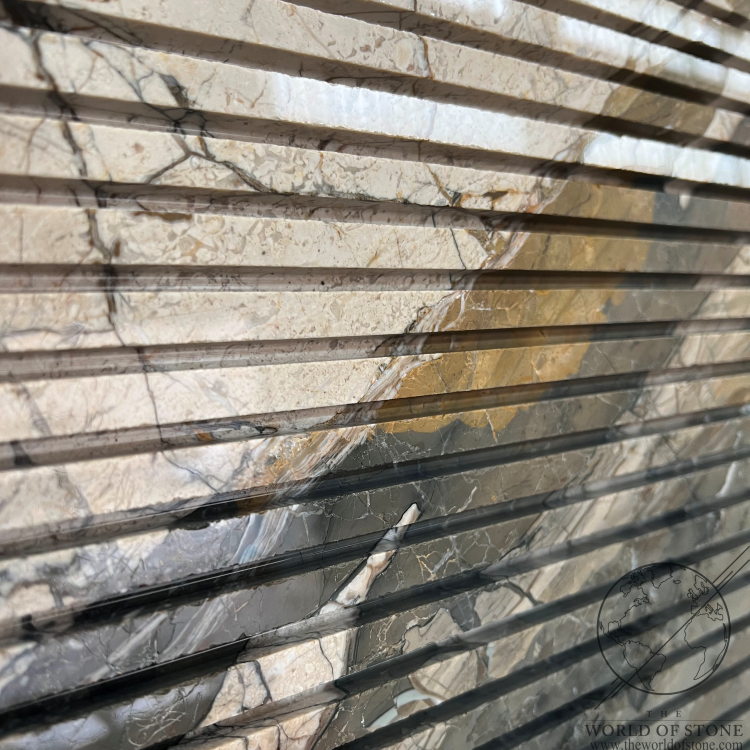
To address this challenge, The World of Stone worked with the project team to develop a custom-profiled Portuguese limestone panel specifically engineered to control the movement of water. Each horizontal profile was carefully designed to interrupt the flow, reduce velocity, and encourage the water to remain attached to the stone surface as it cascaded downward.
The result is a feature that balances aesthetics with performance. The sculpted limestone creates dramatic shadow lines and architectural depth while helping direct the water where it belongs—on the wall itself.
Projects like this demonstrate that successful stone design often requires more than selecting a beautiful material. It requires thoughtful engineering, precision fabrication, and the ability to transform a design concept into a functional architectural element.
Have a custom stone concept that requires more than standard fabrication? Schedule an appointment with The World of Stone to discuss your project.
As the countertop industry evolves, architects, designers, fabricators, and homeowners are increasingly searching for alternatives to traditional engineered quartz surfaces. Interest in low silica countertops, low crystalline silica slabs, and quartz alternatives continues to grow as the market shifts toward more advanced architectural materials.
Stoneglass was developed for exactly this next generation of luxury interiors.
Crafted in Italy, Stoneglass is a premium glass-mineral architectural surface that combines contemporary design, luminous depth, and advanced material technology. Unlike conventional engineered quartz countertops, Stoneglass offers a dramatically different composition and aesthetic experience, making it one of the most unique luxury surface materials available today.
For years, engineered quartz dominated modern kitchen and bath design. However, many conventional quartz surfaces contain extremely high levels of crystalline silica. As California and other markets continue to increase attention on silica exposure and fabrication standards, designers and fabricators are actively looking for innovative alternatives to engineered quartz.
Stoneglass represents a sophisticated new category of architectural surfaces.
Independent laboratory analysis performed by Liberty Mutual Industrial Hygiene Laboratory, Clemson University’s Bishop Materials Laboratory, and the National Institute of Silicosis reported no detectable crystalline silica phases or extremely low crystalline silica levels in tested Stoneglass samples.
This makes Stoneglass especially compelling for designers and homeowners searching for:
Beyond its advanced composition, Stoneglass delivers a level of visual depth and elegance that traditional quartz often cannot replicate.
Its refined glass-mineral surface creates:
Stoneglass is ideal for:
In addition, Stoneglass has achieved European A1 non-combustible fire classification standards, making it suitable for high-end residential and commercial environments where both design and performance matter.
As more architects and homeowners begin searching for alternatives to conventional engineered quartz, materials like Stoneglass are becoming increasingly important within modern design offering.
Stoneglass offers a distinctive solution for those seeking a luxury surface material that combines Italian craftsmanship, contemporary design, architectural-grade performance, and exceptionally low crystalline silica content compared to traditional engineered quartz.

If you’ve ever fallen in love with a stunning marble, quartzite, or granite slab but hesitated because of its weight, cost, or structural limitations, we have great news. At The World of Stone in Van Nuys, our slab splitting service lets you turn one thick, expensive slab into two elegant thin stone panels — dramatically cutting weight, stretching your budget, and opening up exciting new design possibilities across the West Coast.
Slab splitting is a precision process that carefully divides a full-thickness natural stone slab into two thinner panels (as slim as 1/4″). The result? Lightweight stone panels and lightweight stone veneer that retain every bit of the original beauty and veining while becoming far easier to handle and install.
This isn’t just cutting — it’s a smart way to double your usable material from a single high-end slab.

Up to 80% lighter — Perfect for high-rise buildings, elevator lobbies, large feature walls, and floating vanities where weight restrictions matter.
40–60% material cost savings — One premium slab now covers twice the area, making rare marbles and quartzites surprisingly affordable for bigger projects.
Enhanced versatility — Perfect for thin stone cladding, feature walls, elevator lobbies, floating vanities, and high-rise applications across California.
Earthquake-resistant performance — The thinner, lighter panels offer better flexibility in seismic zones when properly backed.
After splitting, we reinforce your thin stone panels with custom backing to match your project needs:
Aluminum honeycomb backed stone — Provides exceptional strength-to-weight ratio while keeping the panels ultra-light. Ideal for large wall cladding, commercial projects, and demanding installations.
Translucent backing — Creates dramatic backlit stone panels that glow beautifully when illuminated, adding a luminous, modern touch to any space.
Both options deliver moisture resistance and maintain the authentic look and feel of full natural stone.
Whether you’re searching for honeycomb stone panels, thin stone veneer, lightweight stone cladding, or backlit stone solutions in Los Angeles, our local slab splitting service gives you maximum design freedom without the structural headaches or high costs of traditional thick slabs.
From luxury residential projects in Beverly Hills to commercial spaces downtown, our thin stone panels install faster, ship more affordably, and open up creative possibilities that were previously difficult or expensive.
Ready to double your stone and lighten your next project?
Explore the full potential of slab splitting and see how lightweight stone panels can transform your designs. Visit our dedicated page here:
Slab Splitting Los Angeles – Thin Stone Panels & Lightweight Stone Veneer
Contact us today or schedule a visit to our Van Nuys slab yard. Let’s turn your premium stone slabs into smarter, lighter, and more beautiful solutions.
The World of Stone – Premium Natural Stone & Innovative Stone Services in Los Angeles

Slabology is a cutting edge, patented process of embedding print designs on Stoneglass and other materials. It is NOT printed. Your custom design is applied with our patented process making it part of the material. It is waterproof and UV resistant and you cannot feel the pattern on the surface. Find out more here.

