

Understanding Travertine Slabs: Geology, Durability, Test Data, and Care
Travertine slabs bring natural warmth and timeless charm to any space. At The World of Stone, we offer a premium selection of travertine slabs sourced from top global quarries. This guide covers the basics of travertine geology, its durability, typical test data, and key care practices. Keep in mind that each travertine variety and application varies. Factors like specific type, finish, porosity, filling, location, and use influence performance. Always consult professionals and test samples for your project.
Basic Geology of Travertine
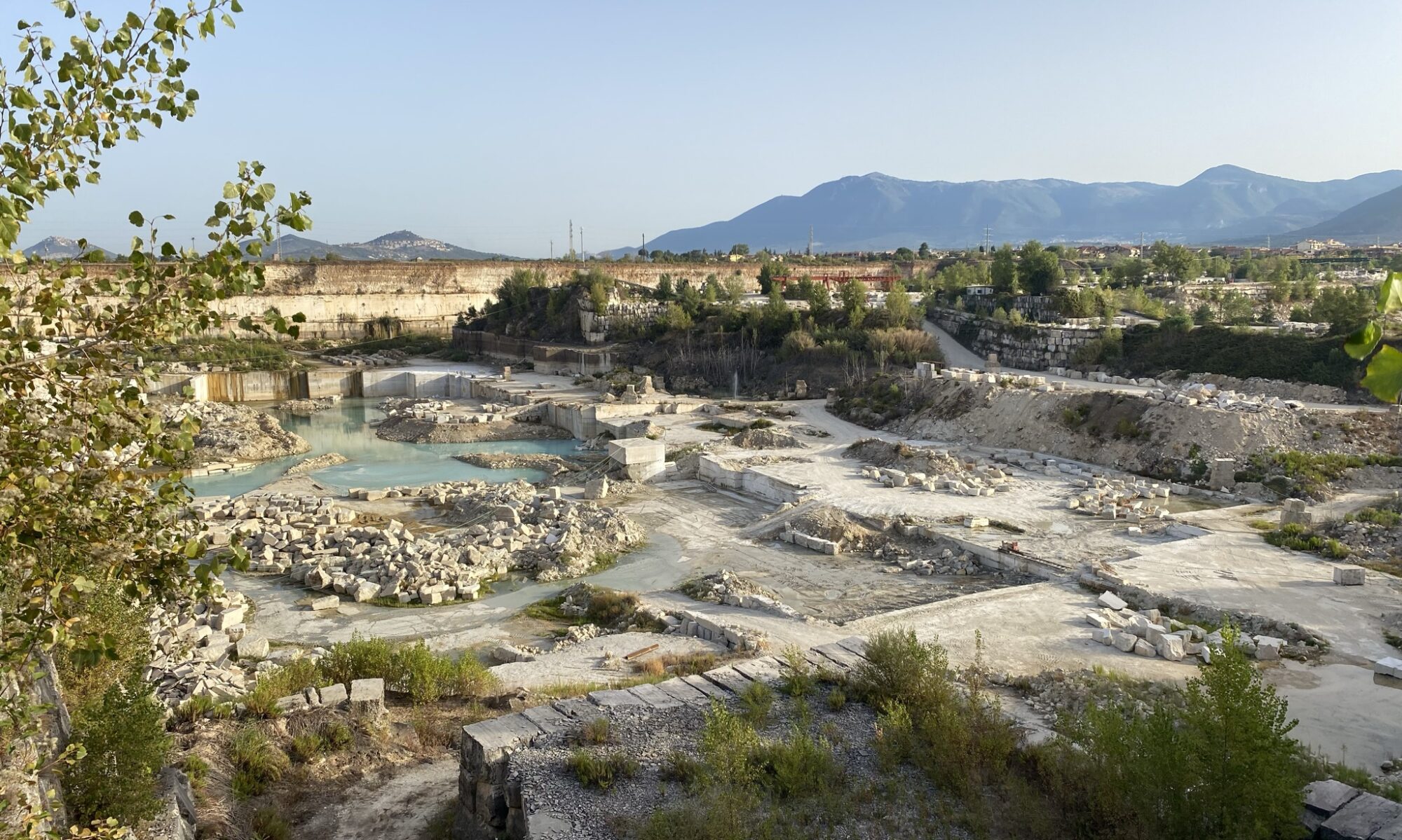
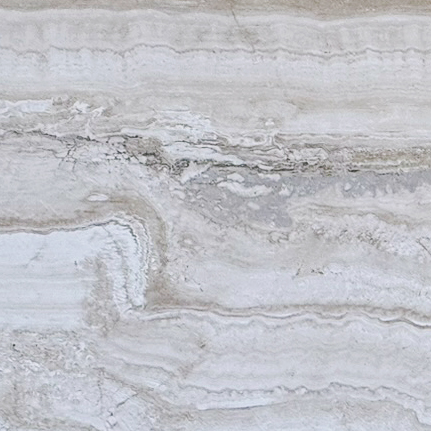
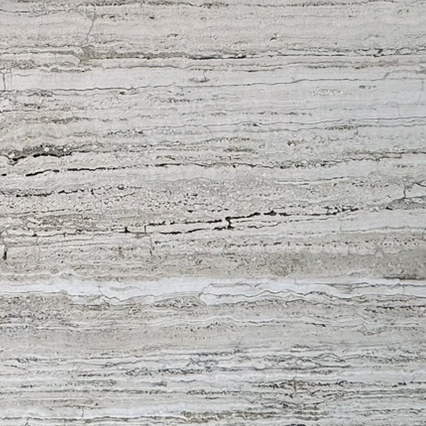
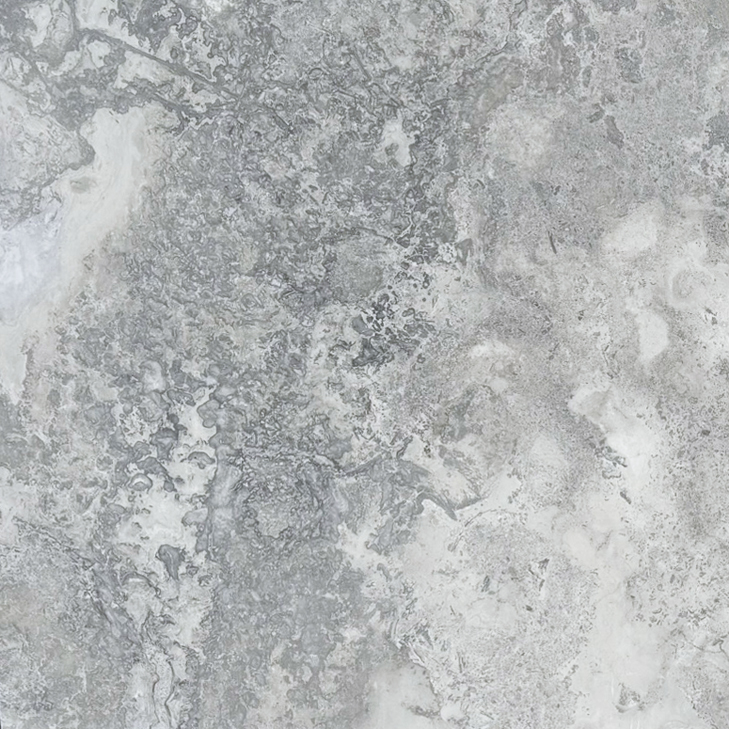
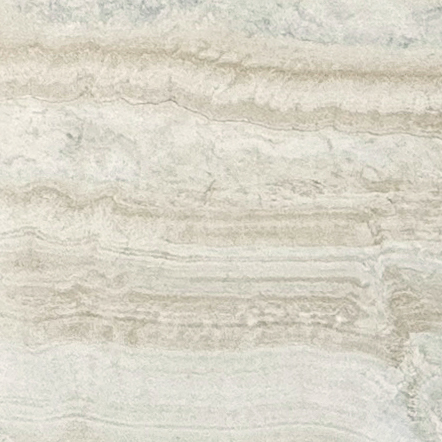
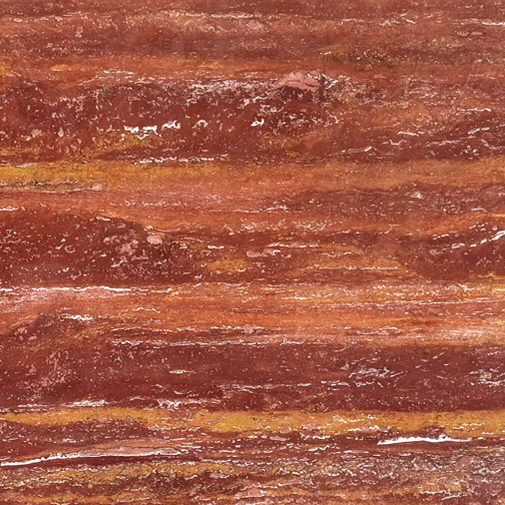
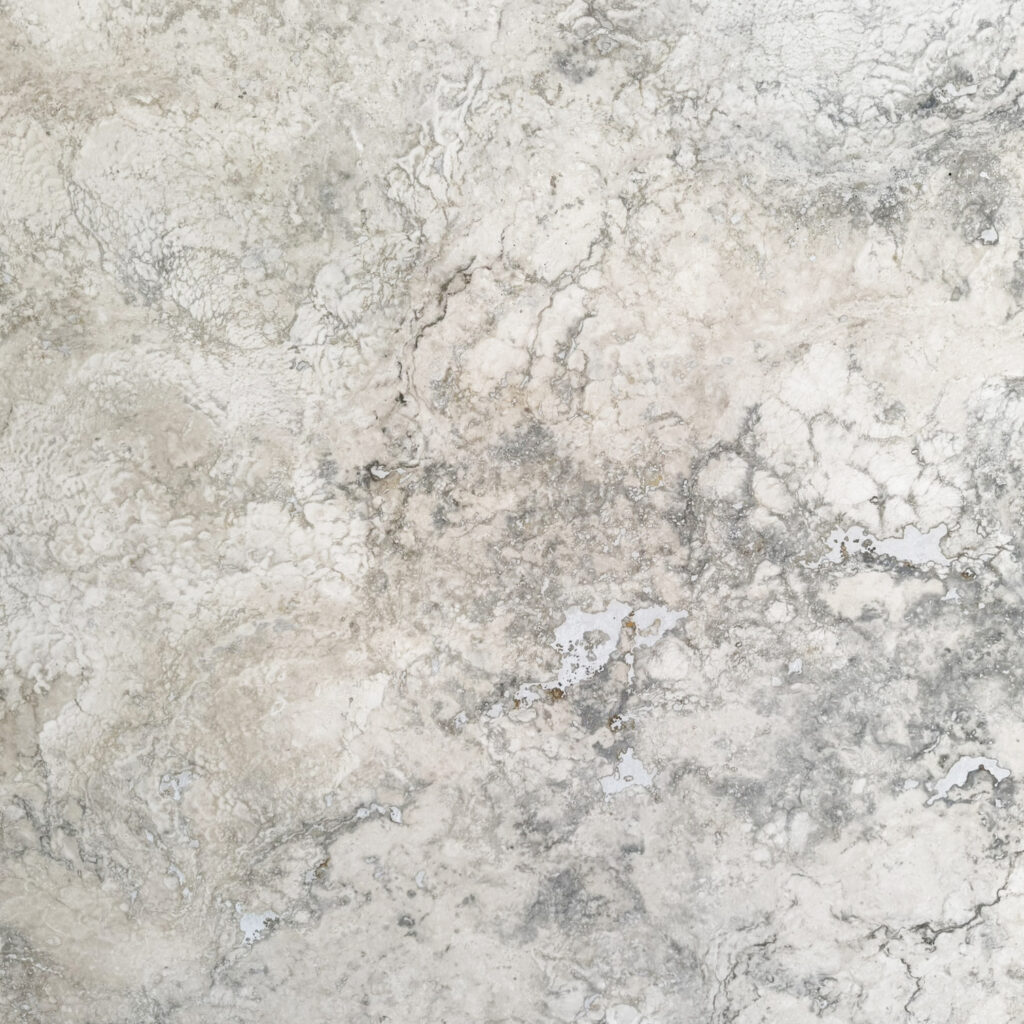
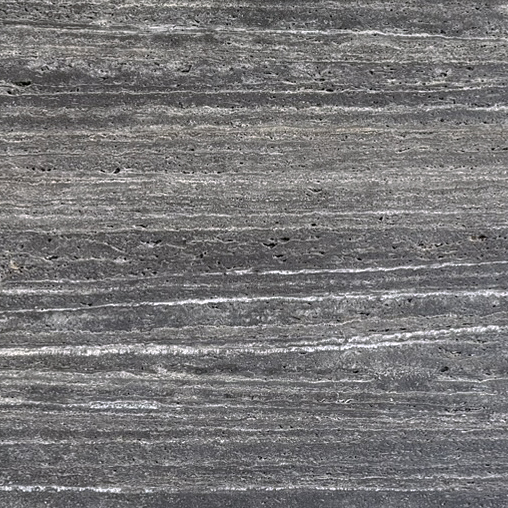
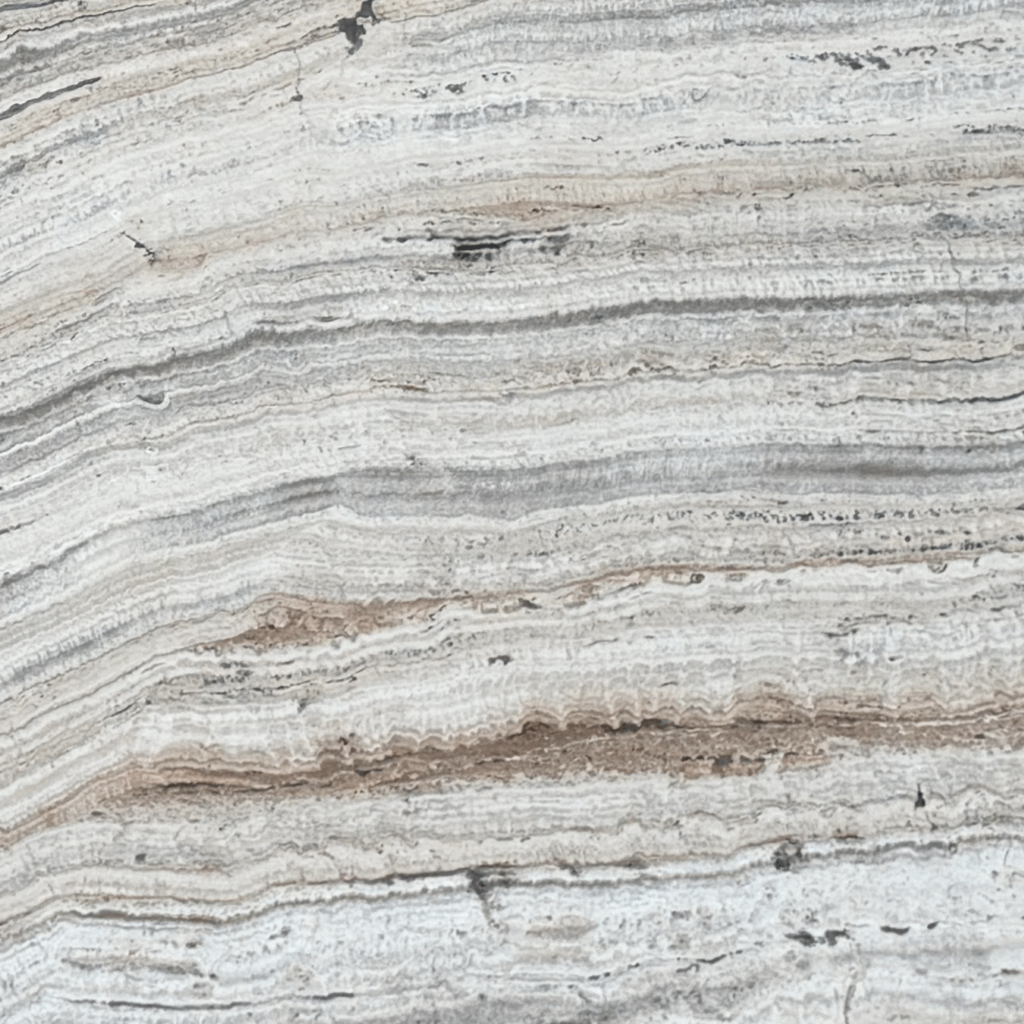
Travertine forms as a sedimentary rock. It develops through rapid precipitation of calcium carbonate from mineral-rich spring waters, often near hot springs or limestone caves. As water cools and releases carbon dioxide, dissolved calcite precipitates out. This process traps gas bubbles, creating the stone’s signature open pores and pitted texture. The primary mineral is calcite (calcium carbonate, CaCO₃), with traces of aragonite in some cases. Impurities and banding produce earthy colors like beige, cream, honey, walnut, and soft gray. Iron inclusions will create red and brown colors. Veining appears subtle, and fossil inclusions sometimes add organic character. Unlike metamorphic marble, travertine retains a layered, banded structure from deposition. Pores form from trapped gases or encased vegetation, giving the stone its distinctive spongy or honeycombed look. This natural variation ensures every slab remains unique. Travertine often classifies as a type of limestone but stands apart due to its formation near thermal springs. Modern standards recognize it separately.
Durability of Travertine Slabs
Travertine provides solid durability for many interior and exterior uses. Its porous nature offers unique texture and grip, especially in honed or brushed finishes. However, travertine ranks softer than denser stones like granite. Travertine typically scores 3 to 5 on the Mohs hardness scale. It resists moderate wear but can scratch from harder objects. As a carbonate stone, acids etch it easily—calcite reacts to substances like vinegar or citrus. Porosity varies widely, often higher than marble. Unfilled travertine absorbs more liquids, risking stains. Professional filling (with cement or resin) and sealing greatly reduce this issue. Filled travertine handles freeze-thaw cycles better outdoors. Travertine performs well in compressive loads for walls or floors. Its natural pores provide slip resistance in wet areas like bathrooms or pool decks. Durability depends on the variety—denser, lower-porosity types last longer. Each stone’s quarry origin, filling, and finish affect real-world performance. Test your specific material for demanding applications.
General Test Data for Travertine
Standards like ASTM guide travertine testing. ASTM C1527 sets specifications for travertine dimension stone. It covers absorption, density, strength, and other properties.Here are typical ranges for common travertine properties (values vary by variety, filling, and test conditions):
- Compressive Strength (ASTM C170): Often 30–100 MPa (around 4,300–14,500 psi). Many commercial types range 35–70 MPa. This measures crushing resistance.
- Flexural Strength (Modulus of Rupture, ASTM C99 or C880): Typically 5–15 MPa. This tests bending strength, key for countertops or pavers.
- Water Absorption (ASTM C97): Usually 0.4–8% by weight, depending on porosity and filling. Filled varieties often stay under 2–3%.
- Density/Bulk Specific Gravity: Around 2.3–2.68 g/cm³ (2300–2680 kg/m³). Denser types show better strength.
- Porosity: Generally 5–15% in natural form; filling reduces effective porosity.
- Abrasion Resistance (ASTM C241): Varies widely; honed or filled surfaces perform better for floors.
These figures draw from industry data, ASTM standards, and research. Results differ by block, slab, and treatment. Request current test reports or certificates for your chosen travertine. High-traffic or exterior uses may require stricter minimums per ASTM guidelines.
Basic Care and Maintenance for Travertine
Travertine needs regular care to maintain its appeal. Proper habits protect its natural beauty and extend lifespan.
- Daily Cleaning: Use a soft cloth or mop with pH-neutral stone cleaner or mild soap in warm water. Avoid acidic products like vinegar, lemon, or strong chemicals—they etch the surface.
- Spill Management: Blot spills right away. Acids act fast on carbonate stones. Avoid rubbing to prevent spreading.
- Sealing: Apply a quality penetrating sealer after installation. Reseal every 6–12 months, or when water no longer beads on the surface. Sealing cuts stain risk but does not stop acid etching.
- Protection Tips: Use coasters, trivets, and mats. Avoid direct heat or abrasive scrubbers. Place felt pads under furniture legs to prevent scratches.
- Professional Help: For stains, etching, or dull areas, seek expert advice. Light honing or polishing restores appearance. Deep issues may need refilling or refinishing.
Each travertine stone and installation differs. Wet areas or outdoor patios need more attention than interior walls. Climate, traffic, and finish influence care needs. Follow these basics, but adjust for your specific travertine and conditions. At The World of Stone, we guide you in choosing the perfect travertine for your vision. Visit our travertine page for inspiration and explore our curated collection. Contact us for samples, detailed test data, or expert recommendations on your next project.