

Understanding Limestone Slabs: Geology, Durability, Test Data, and Care
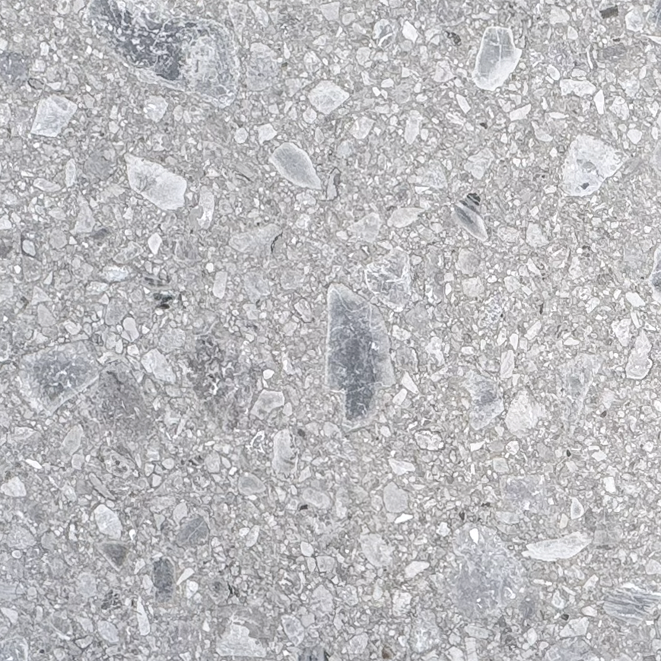
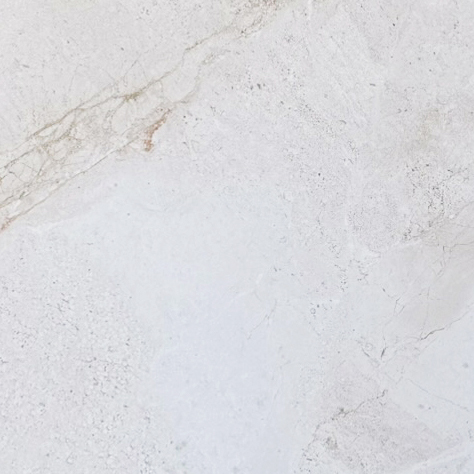
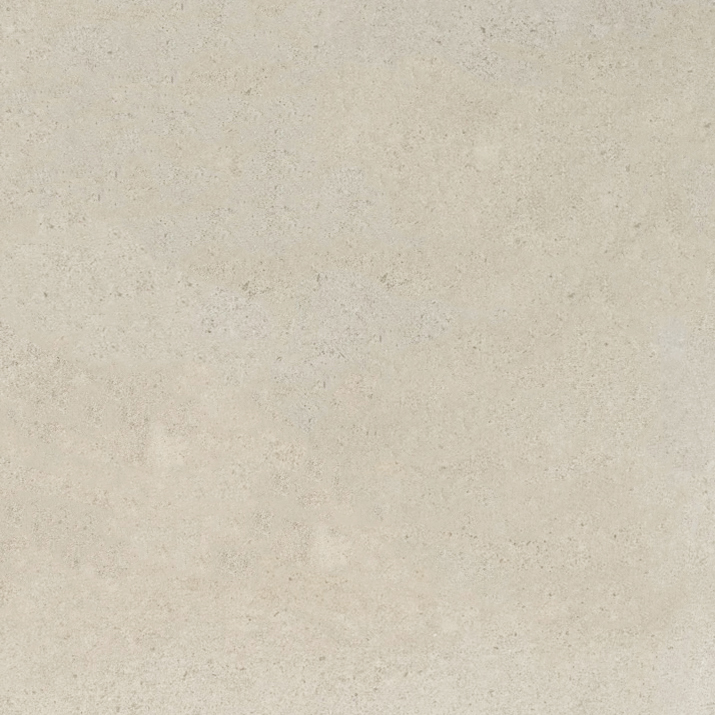
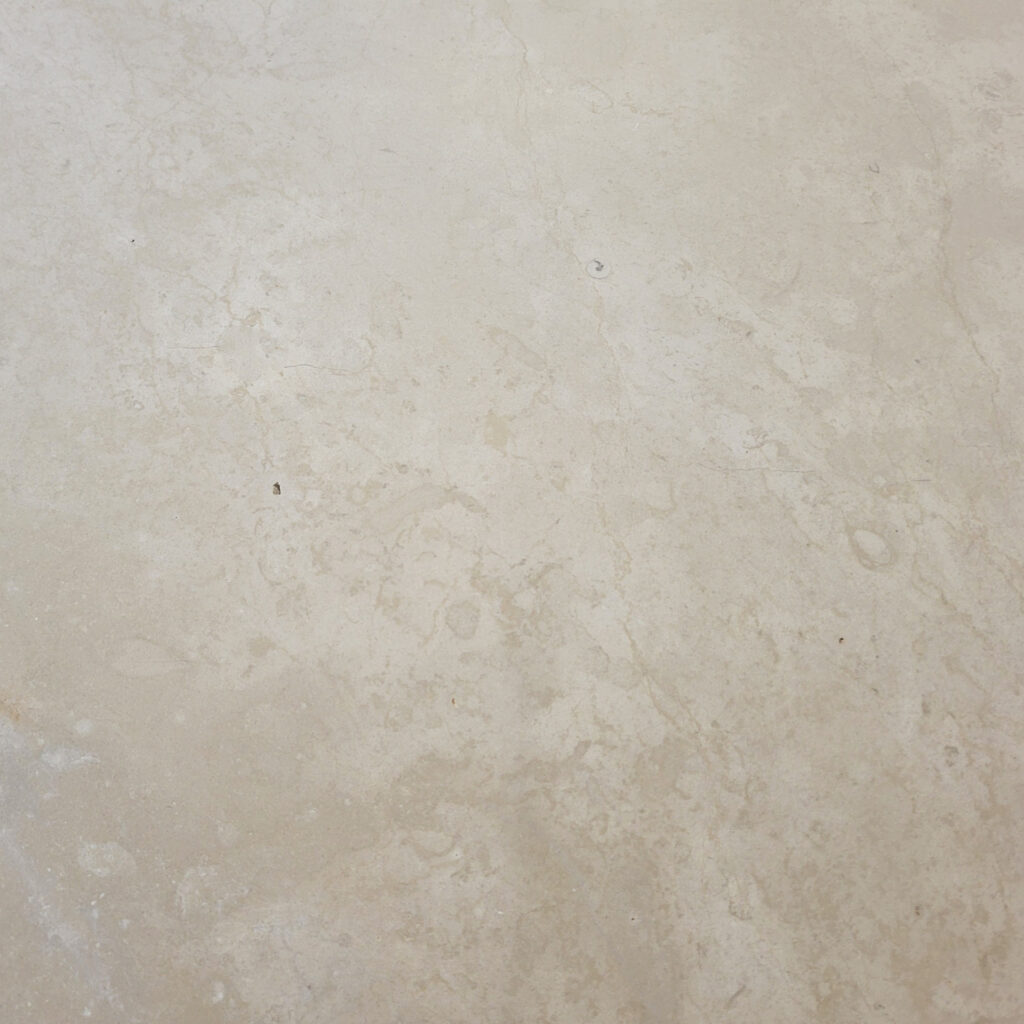
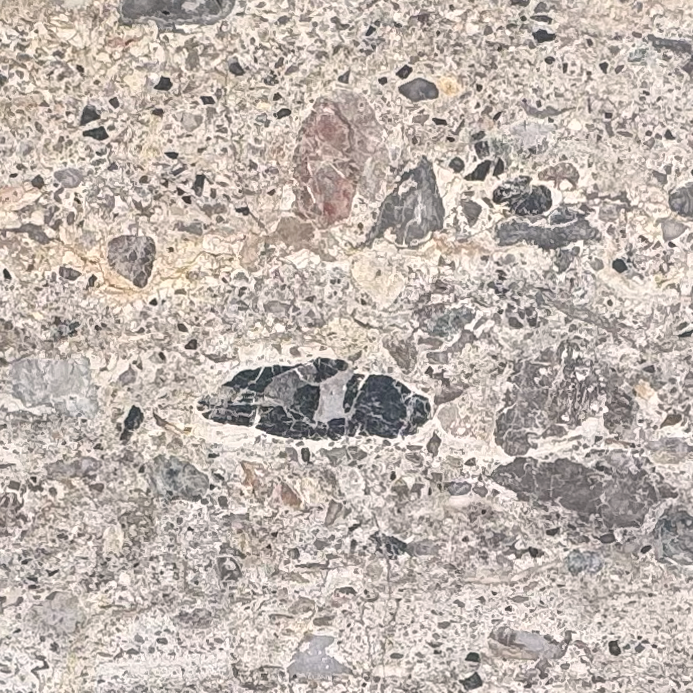
Limestone slabs bring natural warmth and timeless elegance to interiors and exteriors. At The World of Stone, we offer premium limestone slabs and tiles from global quarries, featuring varieties like Ceppo di Gre, Crema d’Orcia, Gascogne Beige, Lagos/Nova Gold, and Pietra de Torre. These stones deliver soft, welcoming tones and subtle textures. This guide explains the basics of limestone geology, its durability, typical test data, and essential care practices. Remember that each limestone variety and application varies. Factors like specific type, density, finish, porosity, location, and use affect performance. Always consult professionals, review samples, and obtain current test data for your project.
Basic Geology of Limestone
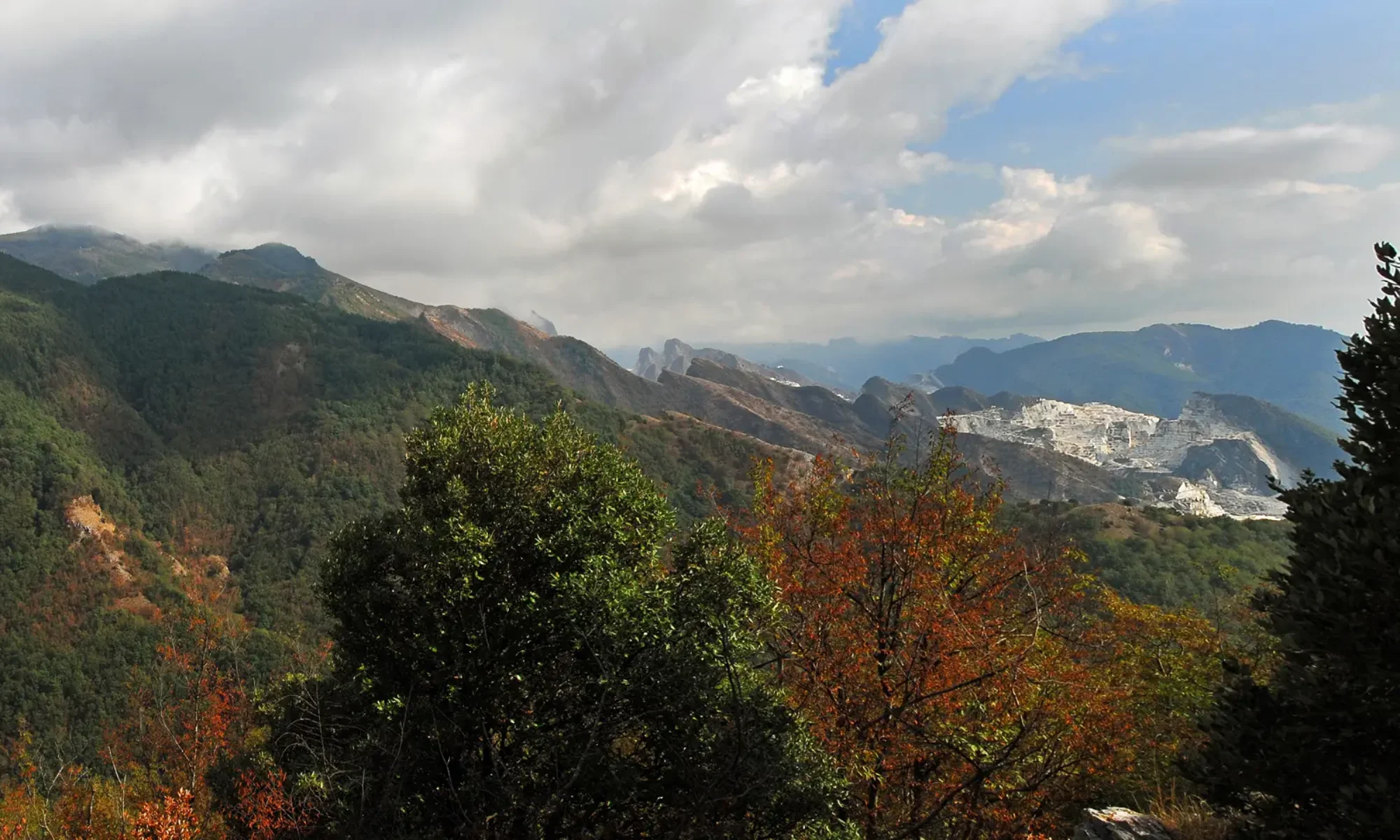
Limestone forms as a sedimentary rock. It builds from accumulated calcium carbonate deposits in ancient marine environments. Shells, coral, and microscopic organisms contribute most of the material. Over millions of years, pressure and cementation compact these sediments into solid rock. The primary mineral is calcite (calcium carbonate, CaCO₃). Some limestones contain dolomite (calcium magnesium carbonate). Impurities like clay, iron oxides, or organic matter create colors ranging from creamy beige and warm gray to subtle buffs or blues. Fossils and subtle banding often appear, adding organic character. Limestone varies in density and texture—from porous oolitic types to denser, finer-grained varieties. Commercial limestone for slabs comes from quarried layers prized for consistency, color, and workability. It differs from metamorphic marble (recrystallized limestone) and igneous stones.
Durability of Limestone Slabs
Limestone provides good durability for many applications when selected properly. Its composition suits flooring, countertops, wall cladding, and even outdoor patios. However, limestone ranks softer than quartzite or granite. Limestone typically scores 3 to 5 on the Mohs hardness scale. It resists moderate wear but scratches more easily than harder stones. As a carbonate rock, acids etch it readily—calcite reacts to vinegar, citrus, or other acids, creating dull spots. Porosity varies by density classification. Low-density types absorb more water and risk staining if unsealed. Higher-density varieties perform better. Professional sealing and filling reduce absorption and enhance weather resistance for exteriors. Limestone handles compressive loads well in vertical uses like walls. It suits interior high-traffic floors and some covered outdoor areas. Durability depends on the type—denser, lower-absorption limestones last longer. Quarry origin, finish, and treatment influence results. Test your specific material for wet, high-traffic, or exterior needs.
General Test Data for Limestone
Standards like ASTM guide limestone testing. ASTM C568 sets specifications for limestone dimension stone. It classifies limestone into three types based on density: Type I (Low Density), Type II (Medium Density), and Type III (High Density). Each type has minimum requirements for key properties.Here are typical ranges for common limestone properties (values vary by type, variety, and test conditions; refer to ASTM C568 for exact minima):
- Compressive Strength (ASTM C170): Often 12–55 MPa minimum depending on type (e.g., 12 MPa for Type I, 28 MPa for Type II, 55 MPa for Type III). Many commercial limestones range 20–100 MPa or higher.
- Flexural Strength/Modulus of Rupture (ASTM C99 or C880): Typically 2.9–6.9 MPa minimum (e.g., 2.9 MPa for Type I, 3.4 MPa for Type II, 6.9 MPa for Type III).
- Water Absorption (ASTM C97): Maximum 12% for Type I, 7.5% for Type II, 3% for Type III by weight. Dense varieties often stay under 1–3%.
- Density/Bulk Specific Gravity (ASTM C97): Minimum 110 lb/ft³ (1760 kg/m³) for Type I, 135 lb/ft³ (2160 kg/m³) for Type II, 160 lb/ft³ (2560 kg/m³) for Type III.
- Porosity: Varies widely; higher in low-density types (up to 10–20%), lower in high-density (under 5%).
- Abrasion Resistance (ASTM C241): Often R10 or greater for medium/high-density types suitable for floors.
These figures draw from ASTM C568 standards and industry data. Actual results differ by quarry, block, and slab. Request current test reports or certificates for your chosen limestone. Applications in high-traffic, wet, or exterior settings may need higher-density types meeting stricter minima per ASTM guidelines.
Basic Care and Maintenance for Limestone
Limestone requires attentive care to maintain its soft beauty. Regular protection prevents common issues like staining and etching.
- Daily Cleaning: Wipe surfaces with a soft cloth or mop using pH-neutral stone cleaner or mild soap in warm water. Avoid acidic cleaners like vinegar, lemon, or harsh chemicals—they etch the surface.
- Spill Management: Blot spills immediately. Acids act quickly on carbonate stones. Do not rub; blotting prevents spreading.
- Sealing: Apply a penetrating sealer after installation. Reseal every 6–12 months, or when water no longer beads. Sealing reduces stain risk but does not prevent acid etching.
- Protection Tips: Use coasters, trivets, and cutting boards. Avoid direct heat or abrasive pads. Place felt pads under furniture to prevent scratches.
- Professional Help: For etching, stains, or dull areas, consult experts. Light polishing or honing restores shine. Severe issues may need refinishing.
Each limestone stone and installation differs. Wet areas, outdoor patios, or high-traffic floors demand more frequent care than interior walls. Climate, traffic, and finish influence needs. Follow these basics, but tailor them to your specific limestone and conditions. At The World of Stone, we help you choose the right limestone for enduring charm and function. Visit our limestone slabs and tiles page for inspiration and explore varieties like Ceppo di Gre, Crema d’Orcia, and more. Contact us for samples, detailed test data, or expert recommendations on your project.